
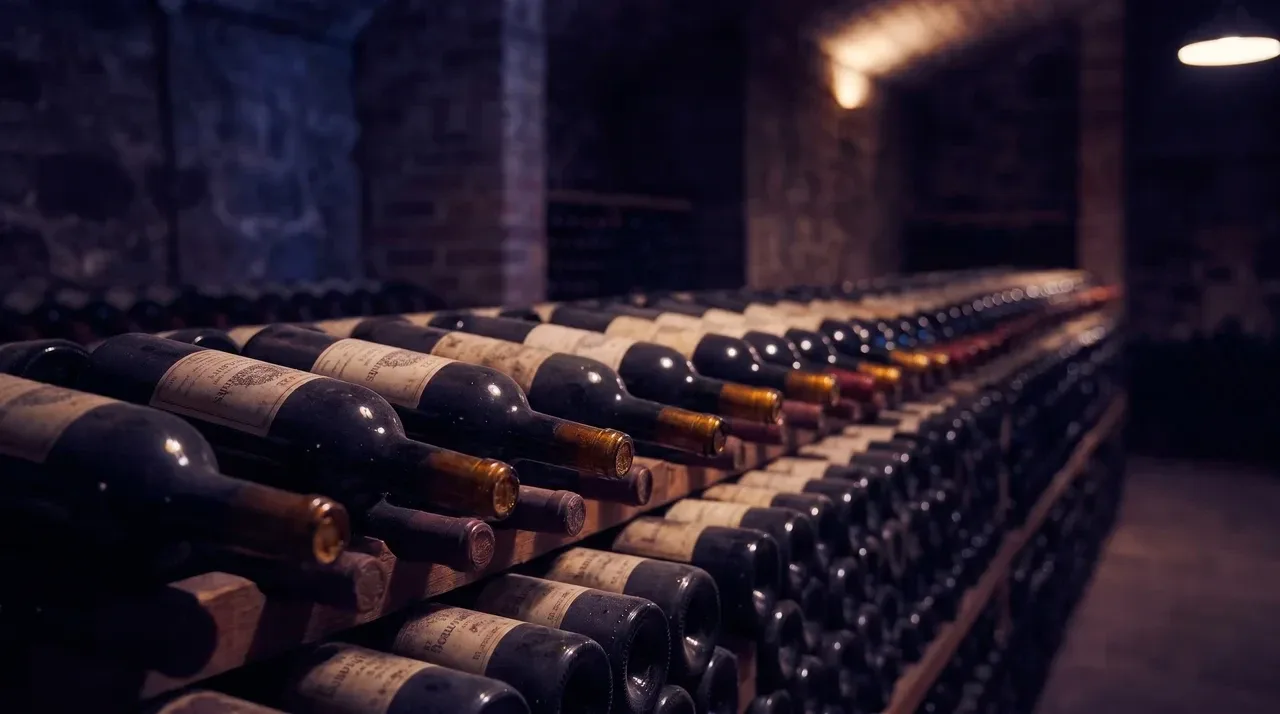
Hailing from Portugal's Douro Valley, Port is a fortified wine crafted from indigenous varieties such as Touriga Nacional, Touriga Franca, and Tempranillo (locally known as Tinta Roriz). The winemaking process involves a brief fermentation that is intentionally stopped mid-way by the addition of grape spirit, locking in the wine's residual sweetness. This technique yields a rich, full-bodied libation clocking in at roughly 19 to 21 percent alcohol by volume — a character that grants it remarkable staying power.
Some of the finest examples can evolve gracefully for five decades or longer inside the cellar. Historical vintages like 1963 and 1977 have proven time and again that exceptional Ports remain profoundly enjoyable well past half a century, revealing layers of complexity that deepen with every passing year.
Vintage Port Investment — A 2026 Guide to Fine Wine’s Best-Kept Secret
Port is a fortified wine from the Douro Valley in northern Portugal — Tempranillo (Tinta Roriz), Touriga Nacional, Touriga Franca, and other indigenous grapes fermented partially and then fortified with grape spirit to halt fermentation, preserving natural sweetness. The resulting wine, typically 19–21% ABV, is robust enough to age for half a century or more in the bottle.
Sommelier Reveals The Best Wines Right Now
Description:::: #sommelier #wineexpert #bestwines #winepairing #winelovers #finewine #redwine #whitewine #champagne ...
- Channel: Payne Capital
Understanding the Investment Case for Vintage Port
Scarcity sits at the heart of the Vintage Port appeal. Not every harvest earns a declaration, and major houses release them only during standout years. Some luxury cuvées are even more exclusive — Quinta do Noval Nacional, for instance, may see just two hundred to two hundred and fifty cases produced during any given declaration. As collectors drink these bottles, the supply only contracts.
Price appreciation is well-documented. When Dow's released its 2011 vintage, early secondary-market prices hovered around five hundred fifty pounds and eventually climbed toward fourteen hundred pounds within a relatively brief window. Quinta do Noval Nacional from the same year now commands approximately sixteen hundred dollars per bottle, placing it among the priciest non-Bordeaux offerings available.
Despite those gains, Vintage Port still trades at a meaningful discount compared to equivalent Premier Cru Bordeaux or top Burgundy. Analysts across the industry frequently label the category undervalued, making the pricing gap itself a core part of the investment rationale.
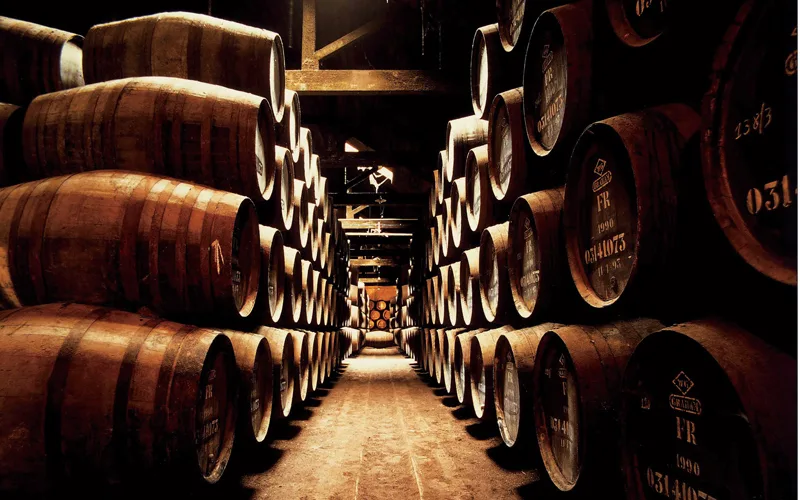
How Vintage Port Functions as an Alternative Asset
Major declared vintages from established shippers are actively listed on Liv-ex, the leading fine-wine trading platform. Their presence there signals that institutional-grade buyers treat Vintage Port as a legitimate category within diversified portfolios.
For collectors, the strategy centers on generally declared years — periods when the largest houses collectively agree the quality merits a formal announcement. Purchasing from producers with long-established reputations matters, since bottles from smaller or lesser-known shippers can carry steep discounts of thirty to fifty percent but often struggle with liquidity when resale becomes necessary.
Notable producers worth tracking include Warre's, recognized as Britain's oldest Port shipper under Symington stewardship and known for deeply concentrated vintages; Niepoort, celebrated for its innovative biodynamic approach and uncompromising wine-first philosophy; and Quinta do Vesuvio, whose single-estate bottlings deliver powerful structure and have impressed investors in both 2011 and 2017.
Strategic Considerations for Building a Vintage Port Position
Beyond returns, Vintage Port offers genuine diversification benefits. Originating in the Douro rather than France, carrying a fortified profile, and attracting a separate collector community means its price movements rarely track alongside Bordeaux or Burgundy. Adding a Port allocation can therefore smooth volatility in a portfolio built primarily on French wine.
Acquiring a declared vintage shortly after announcement mirrors the en primeur model used for French wines — investors lock in allocation at release prices before secondary markets bid values upward. The latest 2024 declarations from Quinta do Noval and other leading houses represent current entry points. The trade-off requires patience: many declared Ports need one or two decades before they reach their drinking zenith.
The strongest opportunities combine rare producers with exceptional years. Quinta do Noval Nacional leads the tier, followed by Graham's, Taylor Fladgate, Fonseca, and Dow's — all of which consistently deliver wines that age magnificently while remaining far more accessible on price than their French counterparts.

Key Patterns Every Vintage Port Investor Should Know
Prioritize well-known shippers when building a collection. Lesser houses may offer attractive entry prices during good years, but they typically face thinner demand and weaker resale channels. Stick with houses that have demonstrated consistency across multiple decades.
General declarations tend to occur roughly twice per decade, with recent examples including 2011, 2016, 2017, and the latest round in 2024. Between these broader declarations sit selective years, where only a handful of producers announce a vintage — adding further scarcity to already limited supply.
Longevity is the defining feature. Top flights routinely improve through thirty to fifty years, with classic standouts like 1963, 1977, and 1994 still delivering outstanding experiences today. Most investors plan for a minimum of twenty years before a Port approaches peak drinking, though single-quinta expressions and lighter vintages may be more approachable after a decade or so.
Frequently Asked Questions About Vintage Port Investing
Vintage Port rewards those willing to look beyond the usual suspects. Its rarity, extraordinary ageing ability, and relative affordability make it one of the most attractive segments in the fine-wine space — and the 2024 declarations provide a live window for committed buyers. To explore how Port might complement Bordeaux, Burgundy, and other alternatives in a managed wine portfolio, learn more about the mechanics of wine investing.
This guide is provided for educational purposes and does not constitute financial advice. Past price movements are not indicative of future results, and all alternative assets carry inherent risk, including the possibility of losing part or all of the capital invested.
At its core, Port remains a fortified wine rooted in Portugal's Douro Valley, blending indigenous grapes like Touriga Nacional and Tinta Roriz through partial fermentation and spirit addition. The result — a rich, sweet wine standing at roughly nineteen to twenty-one percent alcohol — possesses the structure and concentration to reward patient cellaring for many decades.
Frequently asked questions
What should I prioritize first when starting a Vintage Port investment?
Focus on getting clarity on your objectives before committing capital. Identify a shortlist of generally declared vintages from major shippers, then purchase through reputable merchants who can guarantee provenance. Begin with a modest allocation and expand your position as your understanding of the category deepens.
What typically makes Vintage Port investing more difficult than expected?
The most common mistake is underestimating the importance of provenance and storage conditions. Bottles kept poorly — exposed to heat, light, or inconsistent humidity — can deteriorate regardless of vintage quality. Additionally, buying from lesser-known houses without considering resale liquidity often leaves investors holding illiquid stock that is difficult to sell at fair value.
How do you maintain a practical approach to Vintage Port collecting over time?
Establish a consistent routine centered on tracking declared vintages, monitoring Liv-ex price indices for your selected houses, and reviewing storage conditions periodically. Keep your portfolio manageable, focus on quality over quantity, and only add bottles you genuinely plan to cell ar and eventually enjoy. A sustainable approach grows slowly and avoids the trap of chasing every new declaration.