
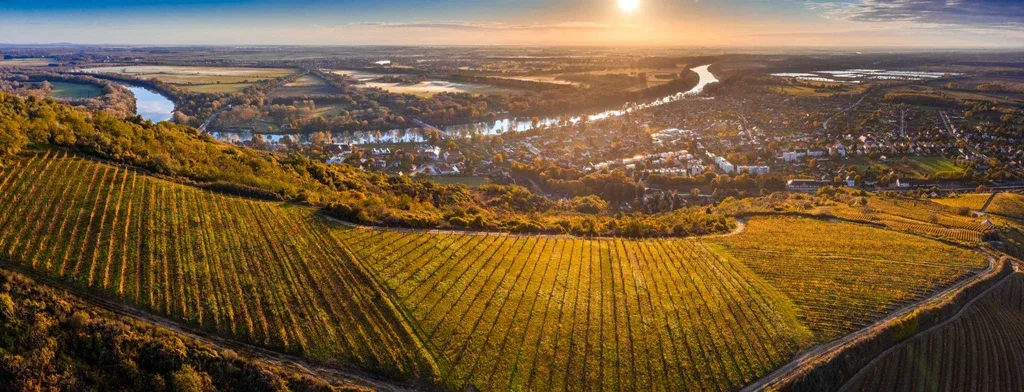
Wines from the Tokaj region of Hungary possess extraordinary aging capacity. A properly crafted 5 or 6 Puttonyos Aszú will continue developing gracefully for half a century or more. At the very apex sits Eszencia, a style so concentrated and sugar-heavy that it remains barely fermented, capable of surviving a hundred years or beyond — among the oldest-living wines anywhere in the world.
The strongest estates carry serious institutional ownership that underscores confidence in the category. Disznokő belongs to AXA Millésimes, the same group that controls Château Pichon Baron in Bordeaux and Quinta do Crasto in Portugal's Douro valley. Oremus is held by the Alvarez family, whose flagship Vega Sicilia stands as one of Spain's most prestigious labels. Neither owner treats their Tokaj holdings as casual diversions; they represent calculated, long-term commitments to the region's trajectory.
Tokaji Investment Guide — Hungary’s Wine of Kings and the World’s Longest-Lived Sweet Wine
Extreme longevity. Properly made 5 or 6 Puttonyos Aszú ages 50 years or more. Eszencia — the rarest, most concentrated style — can age for a century or longer thanks to its barely-fermented sugar content.
Discover Hungarian Wine: The Best Kept Secret in the Old World
Discover Hungarian wine with us! Did you know that Hungary is home to one of the world's first wine appellations: Tokaj.
- Channel: Dr. Matthew Horkey
Key fundamentals behind Tokaji as a collectible investment
Price disparity remains the central opportunity. Fine Tokaji commands only a fraction of what buyers pay for equivalent Sauternes or German Trockenbeerenauslese, even though its cellular evolution matches or surpasses those counterparts. Several market analysts have called this pricing gap unsustainable over time.
Scarcity intensifies at the premium tier. Eszencia comes exclusively from free-run must that seeps naturally from pile of Aszú berries — no pressure applied. The resulting yields are staggeringly small, and because sugar levels run so extraordinarily high, fermentation drags on for years. This combination places it among the rarest wines available globally.
The modern quality renaissance is comparatively recent. Before the fall of Communist rule around 1989 to 1990, Tokaj received little attention or investment. Once foreign capital and know-how arrived, the appellation rapidly transformed into a destination for serious winemaking. That compressed timeline means the best producers have an impressively short but clearly documented record of sustained excellence.
How the market distinguishes investment-grade bottles from everyday drinking wine
For anyone building a portfolio, the puttonyos rating serves as a dependable shorthand for both richness and aging power. Bottles carrying higher ratings and Eszencia release command the steepest prices and deliver the longest maturation curves. Dry Furmint, which now accounts for approximately half of all production in the zone, belongs to an entirely separate category aimed at immediate enjoyment rather than cellaring.
Capital concentrates around a narrow circle of producers, several backed by substantial external funding. The list is far from extensive, and that selectivity matters when evaluating liquidity and secondary-market demand.
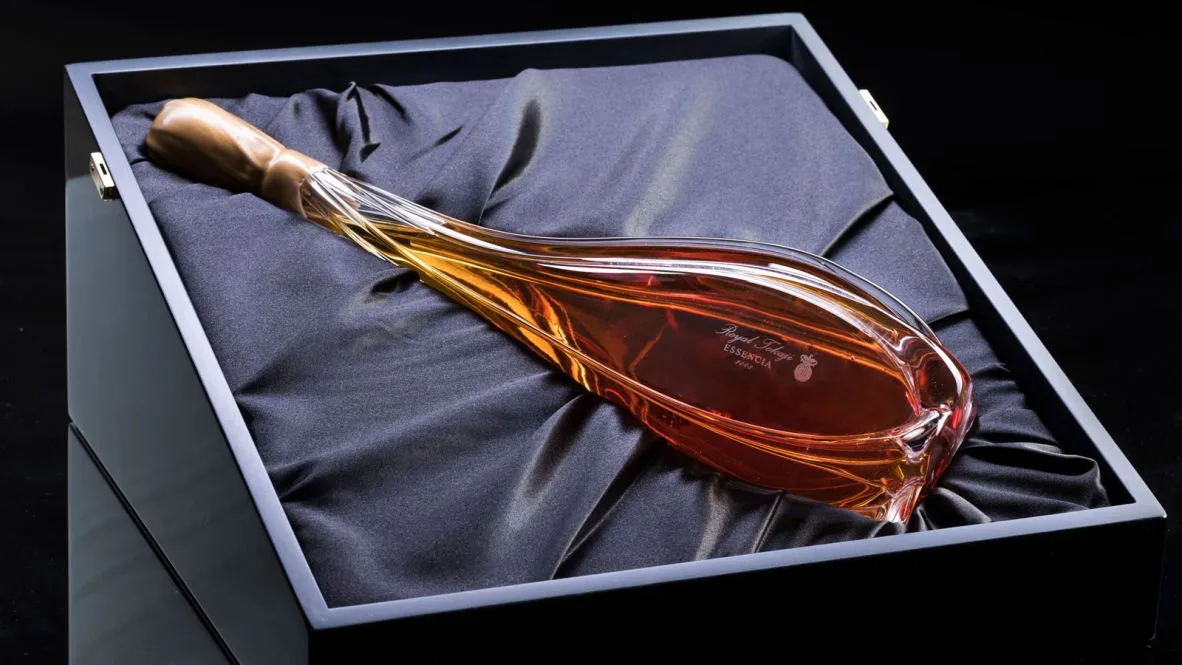
Royal Tokaji emerged in 1990 through British writer Hugh Johnson alongside a group of international investors, becoming the first privately operated estate after the political transition. Its single-vineyard Aszú selections from Mezés Mály and Szent Tamás function as reference standards, while its Gold Label and Essencia expressions form core holdings for dedicated collectors.
Nuanced factors that shape acquisition decisions
Standout alternatives include Holdvölgy, renowned for exacting single-vineyard Aszú drawn from a half-millennium old cellar in Mád; Hetszőlő; and Château Dereszla, each offering distinct personalities within the appellation at more moderate entry points.
Published prices and critic scores reflect aggregated data pulled from Wine-Searcher alongside major review bodies. These figures shift constantly depending on vintage variation, physical availability, and bottle format. Always confirm current market levels before committing funds.
Collectors who already hold Sauternes or other dessert classifications gain authentic diversification through Tokaji — different geography, different grape variety, different ownership models — while capitalising on precisely the kind of pricing inefficiency that defines the category's appeal.
Operational patterns for sourcing and storing Tokaji
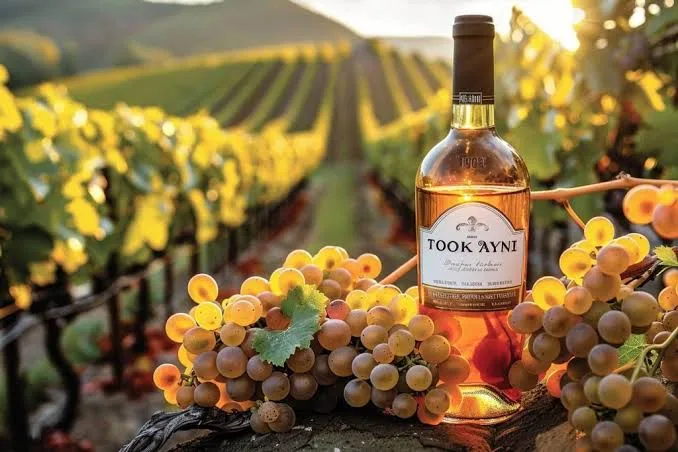
Distribution has widened considerably over the last decade, yet consistent access remains limited outside major metropolitan centres. Specialist fine-wine dealers and direct orders from producer websites — especially for Oremus, Royal Tokaji, and Disznokő — represent the most dependable channels. Retaining original packaging and purchase receipts holds real significance for preserving resale value.
Library stocks from before 1989 — including Communist-era releases — and early revival bottlings from the 1990s surface occasionally through specialist auction houses. These carry authentic provenance alongside speculative upside, though trading volume stays thinner than in Bordeaux or Burgundy.
Eszencia stands apart as the rarest expression produced in Tokaj. It derives solely from free-run liquid extracted without pressing from botrytised Aszú berries. Residual sugar regularly reaches between 450 and 800 grams per litre, and fermentation may span several years. Even at retail prices ranging from roughly $700 up to $3,000 for a half-bottle, physical scarcity keeps this tier firmly out of reach for most buyers.
Frequently asked questions about building a Tokaji portfolio
Oremus and Disznokő bring institutional credentials that translate into reliable quality year after year. István Szepsy attracts the strongest prices and deepest critical acclaim. Royal Tokaji, responsible for igniting the post-communist transformation, anchors countless serious collections through its benchmark single-vineyard releases.
Well-made 5 or 6 Puttonyos Aszú will age fifty years or longer. Eszencia pushes past a full century — ranking among the most enduring wine styles ever produced, thanks to its immense sugar load and inherent preservation properties.
Investors who identify meritorious estates and elevated puttonyos ratings ahead of broader recognition tend to benefit most. The region combines strong institutional conviction, remarkable aging capacity, and a documented pricing disadvantage that insiders consider ripe for eventual correction. To explore how Tokaji might sit alongside Sauternes, Champagne, and other fine wines within a structured collection, review our section on wine investing fundamentals.
Frequently asked questions
What is the simplest first move when approaching tokaji investment guide hungary s wine of kings and the world s longest lived sweet wi?
Begin with a single focused step — perhaps examining one estate's track record or purchasing a small vertical tasting — then evaluate what that initial move reveals before expanding further.
What commonly makes navigating tokaji investment guide hungary s wine of kings and the world s longest lived sweet wi more difficult than necessary?
Problems usually stem from rushing into large purchases without verifying provenance, ignoring storage conditions, or chasing scarcity without understanding liquidity. Each shortcut compounds into wasted capital and reduced returns.
How can someone keep their tokaji investment guide hungary s wine of kings and the world s longest lived sweet wi approach sustainable long-term?
Maintain a consistent evaluation routine: verify documentation, track storage quality, monitor auction results for comparable bottles, and reassess allocations periodically. Simplicity and discipline outperform frequent strategy shifts.