
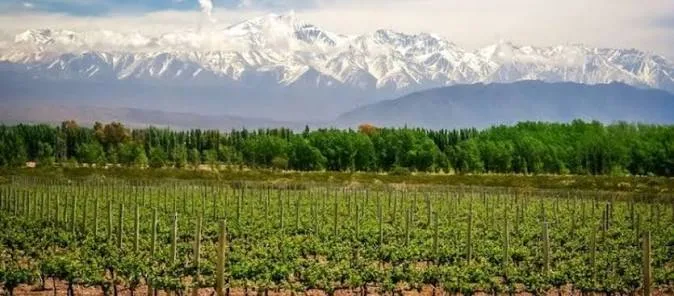
Chilean and Argentinian fine wine has shed its old image as the bargain-bin option. Today, leading producers from both nations appear on the world's most influential distribution platforms and collector rankings.
Winning investments from this region share a narrow profile. Reputation, vintage accuracy, storage quality, and verifiable provenance outweigh any assumption that a higher price tag automatically signals better returns.
South American Wine Investment — A 2026 Guide to Chile, Argentina, and the New World Opportunity
South America’s strongest investment case centers on established names such as Almaviva, Seña, and Catena Zapata, supported by critic recognition, La Place de Bordeaux distribution, and careful provenance.
South America's Best Kept Wine Secret
Why wine lovers are turning to South America for incredible value in fine wine. #Mendoza #WineValue #WineEducation.
- Channel: Wine with Jon
What is driving collector interest in Chile and Argentina
The most compelling opportunity in South America begins with pedigree. The region's investable stars are largely partnerships backed by Bordeaux families: Almaviva unites Mouton Rothschild with Concha y Toro; Seña pairs Robert Mondavi alongside Eduardo Chadwick; Cheval des Andes brings together Cheval Blanc and Chandon. These alliances provide credibility that travels across every major wine market.
La Place de Bordeaux now moves allocations for Almaviva, Seña, Catena Zapata, and Clos Apalta. This single development gives collectors direct access to the same merchant network that powers Bordeaux's secondary market, dramatically widening the buyer pool and strengthening exit liquidity.
Price trajectories tell an equally clear story. Liv-ex data shows the 2013 Almaviva commanding roughly £513 per case, a steep premium above its original release. The 2017 Viña Cobos Cobos Malbec nearly doubled in a twelve-month window, climbing from $173 to $409. Meanwhile, the 2019 Seña — already rated 98 by Wine Advocate — carries substantial room between its initial release and what comparable back vintages have achieved.
Producers with the strongest secondary-market track records
December 2025 marked a landmark moment when Catena Zapata became the first South American estate included in the Liv-ex Power 100 index. The inclusion signals that institutional money is beginning to treat Argentine wine as a legitimate allocation class, not a novelty experiment.
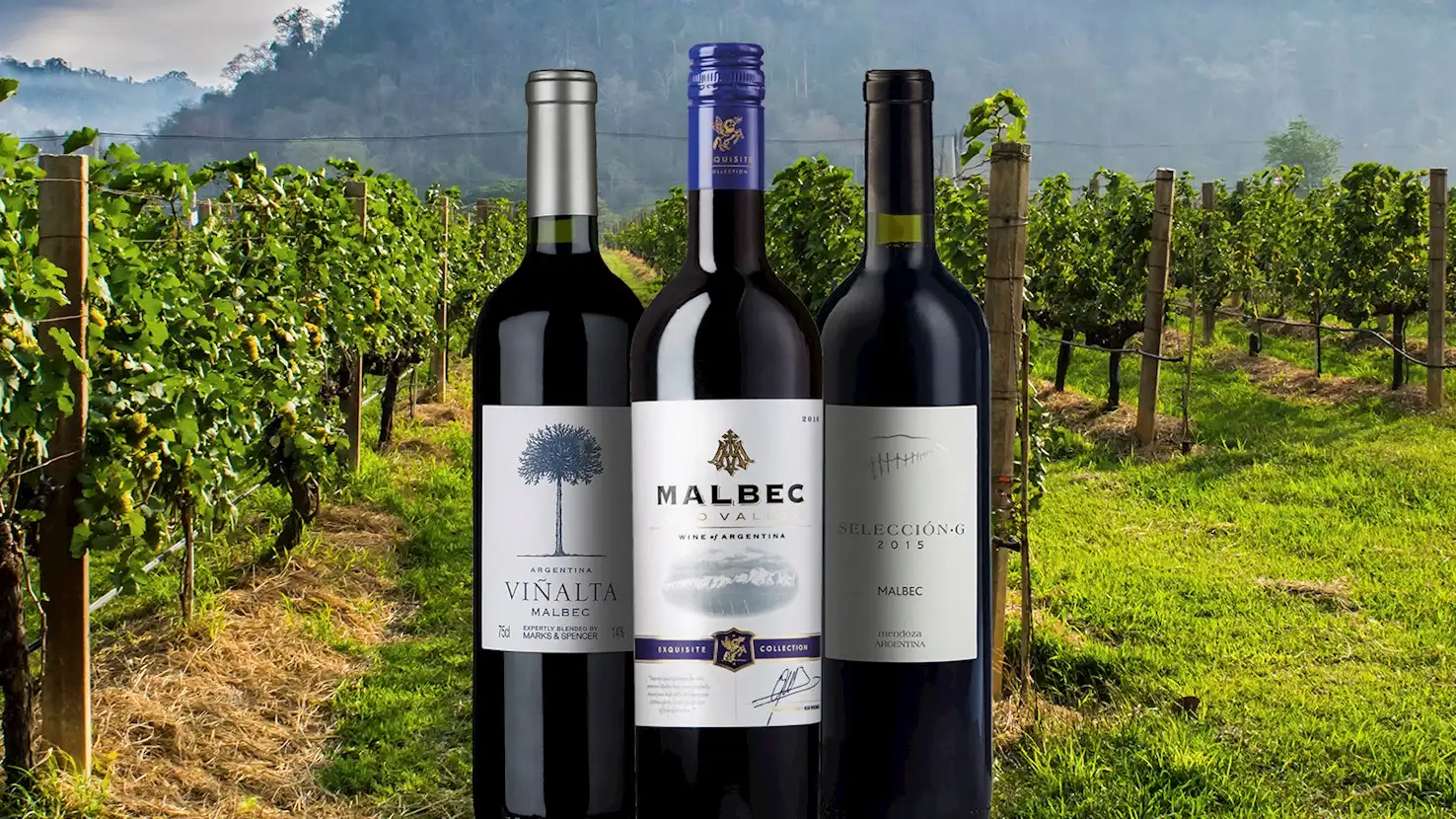
Argentina's case rests squarely on Malbec from Mendoza's high-altitude zones. Wines grown between 900 and 1,500 metres in the Uco Valley demonstrate remarkable concentration, vibrant acidity, and longevity that rivals anything produced further north.
Achaval Ferrer deserves attention for its single-vineyard expressions drawn from Finca Altamira, Finca Bella Vista, and Finca Mirador. Quimera and the estate's flagship Malbecs routinely deliver fifteen to twenty years of aging, offering a compelling entry point alongside the more expensive Catena Zapata cuvées.
How new distribution channels reshape access for buyers
Almaviva holds the position of most-traded Chilean wine on the secondary market, making it the logical foundation for any regional portfolio. From Argentina, the Adrianna Vineyard and Nicolas Catena Zapata represent the pick of the available selections.
Purchasing routes have expanded considerably. Specialist merchants and auction houses remain essential, but many UK-based firms now secure direct allocations of Almaviva, Seña, and Catena Zapata ahead of release. Buying in-bond protects provenance, defers VAT, and places the bottles under professional stewardship until you choose to sell.
Self-storage offers maximum control and the lowest recurring expense, yet the logistical burden — sourcing, insurance, climate management, and eventual resale — sits entirely on the buyer. Professional merchant arrangements trade some autonomy for noticeably smoother liquidity and stronger provenance guarantees.
Practical steps for buying, storing, and reselling
The leading South American wines pair Bordeaux-standard craftsmanship with prices that remain well below comparable Old World offerings. Documented appreciation, improving critic scores, and the arrival of La Place de Bordeaux and Liv-ex infrastructure have created a rare convergence — one that mirrors where Super Tuscans stood during the 1990s before their decades-long rally.
Those Italian wines required roughly twenty to thirty years to reach parity with their French counterparts. South America appears to be moving faster, driven by digital trading platforms, broader critic attention on terroirs such as the Uco Valley and Maipo, and an expanding cadre of professional collectors who now view the region as investable rather than merely affordable.
Vintage selection, risk factors, and realistic expectations
Chile's standout years include 2010, 2013, 2015, 2017, 2019, and the exceptional 2021 Seña vintage. Argentina's benchmark Malbec vintages are widely recognized as 2006, 2010, 2013, 2016, and 2019. Top producers in both countries deliver consistency that cooler regions cannot always match.
Concentration risk warrants careful attention. The investable segment remains narrow, and returns will vary sharply depending on producer, vintage, storage conditions, and the timing of your exit. A broad holding across multiple estates and vintages typically reduces exposure compared with a concentrated bet on a single label.
This article is provided for educational purposes only and should not be taken as financial advice. Past price movements do not assure future outcomes, and all investments carry the possibility of loss.
Frequently asked questions
Which South American wines carry the strongest investment potential?
Almaviva and Seña from Chile and Catena Zapata from Argentina lead the field. Clos Apalta, Cheval des Andes, and select Achaval Ferrer releases merit additional research.
Why does La Place de Bordeaux matter for these wines?
Release through La Place connects estates to the established global merchant network, broadening visibility and improving liquidity. It does not, however, guarantee that individual vintages will appreciate.
What key factors should a buyer verify before purchasing?
Confirm the exact producer and vintage, review critic ratings and secondary-market history, inspect bottle condition and storage records, and clarify tax status, merchant margins, and insured resale channels before committing funds.