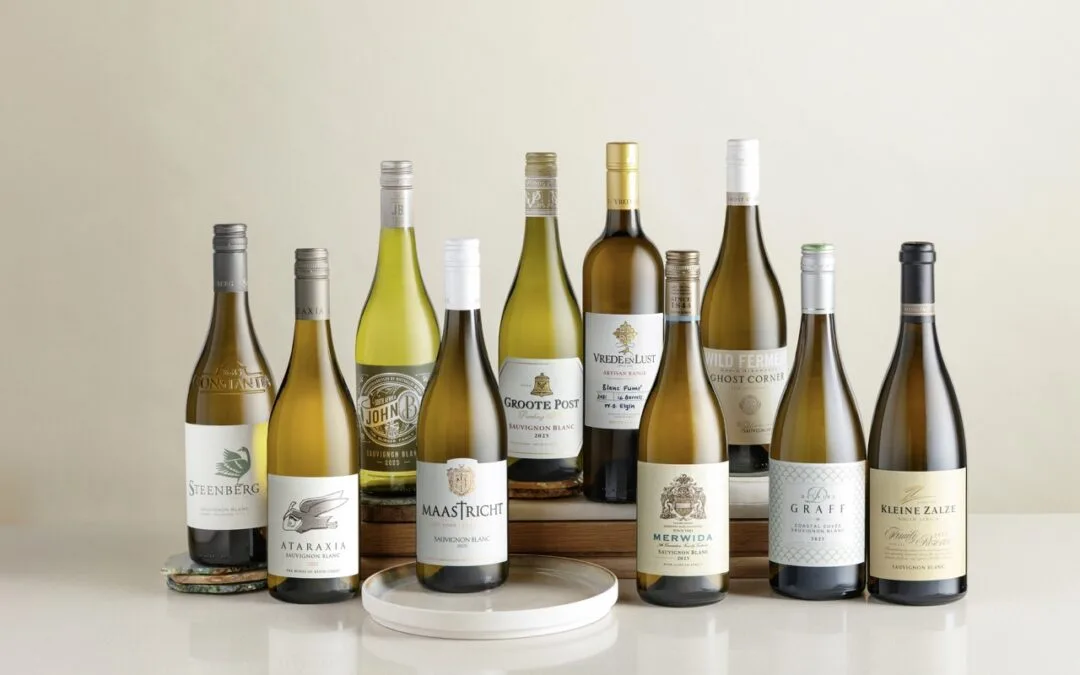
Sauvignon Blanc is a celebrated white grape variety known for its vibrant, aromatic profile. This grape thrives in diverse climates around the world, consistently delivering wines with bright citrus undertones and distinct grassy notes.
For those seeking an ideal festive beverage, consider exploring the best holiday wine selections.
Sauvignon Blanc — Best Wines, Taste, Prices 2025
Sauvignon Blanc is both a grape variety and a beautiful, aromatic white wine. The Sauvignon Blanc grape is grown worldwide and produces wine with instantly recognizable grassy notes and a dominating citrus flavor.
Rewild Fiano and Sauvignon Blanc 2025
Melissa Moore tastes and introduces the Rewild Fiano 2025 and Rewild Sauvignon Blanc 2025. Two standout Top Value wines.
- Channel: The Real Review
Key Facts About Sauvignon Blanc
The Sauvignon Blanc grape hails from Bordeaux, France, where it first gained recognition as a premium white wine variety.
The name itself translates to 'wild white' in French, combining 'sauvage' (meaning wild) and 'blanc' (white).
Historically, its cultivation can be traced to both the Bordeaux and Loire Valley regions of France.
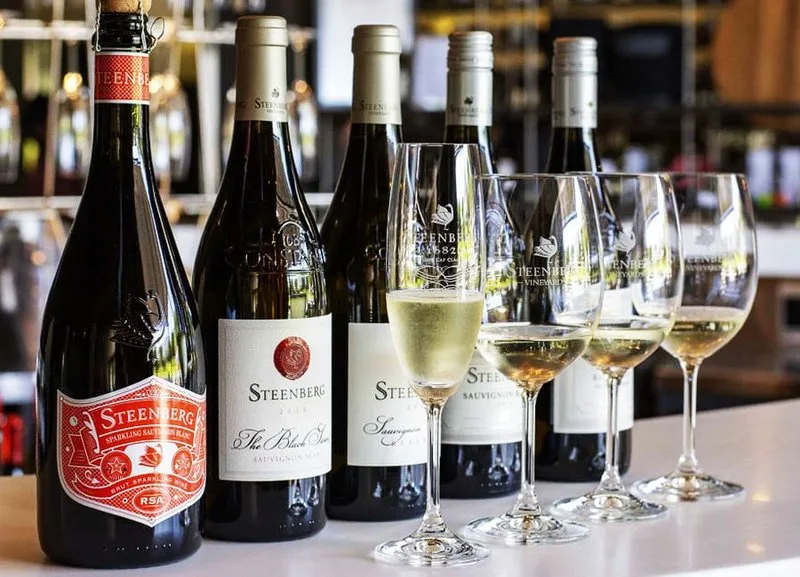
How Terroir Shapes the Character of Sauvignon Blanc
The flavor profile of Sauvignon Blanc is heavily influenced by its growing environment. Regions like Bordeaux and the Loire Valley provide cool, temperate conditions that allow the grapes to ripen slowly, developing nuanced acidity and layered aromatics.
In France, this grape is not only central to Bordeaux blends but also thrives in the Loire Valley, often paired with Chenin Blanc and Cabernet Franc. Additionally, it’s cultivated in the Saint-Bris appellation.
Maritime climates—such as New Zealand’s Marlborough region—are especially favorable for Sauvignon Blanc, producing crisp, expressive examples like Cloudy Bay Marlborough Sauvignon Blanc.
Regional Variations in Production and Style
In Australia, Sauvignon Blanc is frequently blended with Sémillon, though standout varietal expressions emerge from regions such as Adelaide Hills and Padthaway.
Chilean versions tend to exhibit softer acidity and mirror some of the stylistic traits found in French counterparts.
California leads U. S. production, with Robert Mondavi Winery in Napa Valley being one of the most recognized names crafting high-quality Sauvignon Blanc.
Global Cultivation and Adaptability
Beyond Europe and the Americas, Sauvignon Blanc finds success in South Africa’s Durbanville and Stellenbosch areas, as well as Italy’s Collio Goriziano zone.
Its adaptability extends further into Canada, Romania, and Bulgaria, where local winemakers leverage the grape’s resilience across varied soil types and weather patterns.
Depending on harvest timing and vineyard conditions, producers can shape the wine’s character—from lean and zesty to richer and more rounded.
Frequently asked questions
What are the essential steps for selecting top Sauvignon Blanc wines at good value?
Begin by identifying your preferred style—whether fresh and acidic or fuller-bodied—then focus on reputable regions like Marlborough, Sonoma, or Bordeaux. Check vintage indicators and producer reputation before making a purchase.
What common pitfalls should be avoided when evaluating Sauvignon Blanc options?
Avoid relying solely on price or brand name without tasting notes or reviews. Don’t overlook how storage conditions affect quality, especially if buying online or from distant markets. Also, be cautious of misleading labels claiming 'premium' status without supporting evidence.
How can one maintain consistent enjoyment of Sauvignon Blanc over time?
Stick to trusted producers and regions known for reliable quality. Store bottles upright in a cool, dark place away from vibrations. Rotate through different vintages annually to appreciate subtle evolution while maintaining familiarity with preferred profiles.