
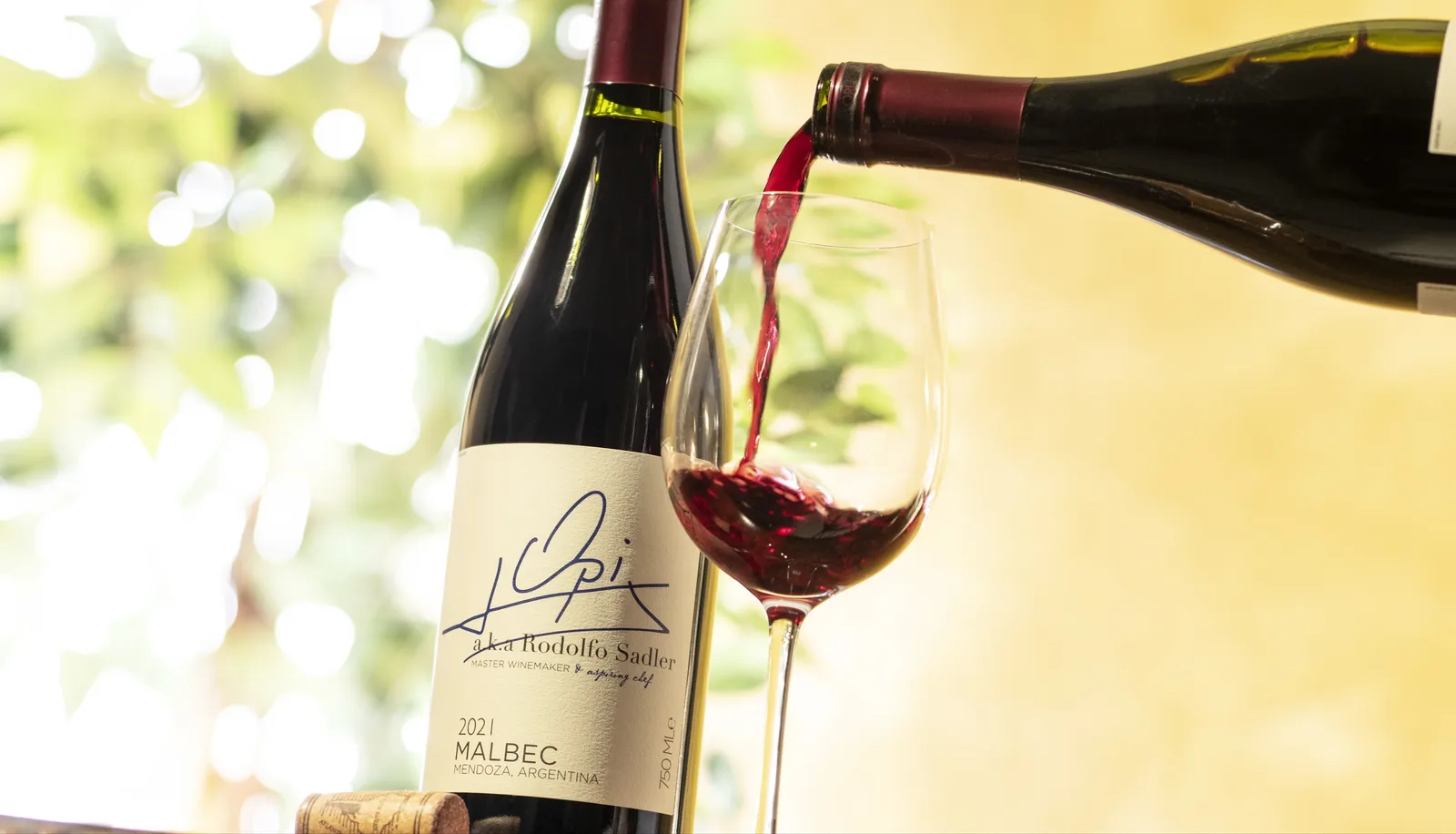
Malbec stands out for its rich, velvety profile and deep, dark fruit notes—think blackberry, plum, and subtle hints of chocolate or mocha. While it originated in France, the grape truly found its voice across the Atlantic in Argentina’s high-altitude vineyards, where it now commands global attention.
What makes this red so special? From its journey through time to its dramatic rise in popularity, Malbec offers a story worth sipping on—and tasting along.
Malbec Wine with Practical Steps That Work
Its complex yet approachable fruit flavors and intense aromas make Malbec a favorite among red wine lovers. Although it has been used as a blending partner in French wines, it's the Argentine expression that has become hugely popular over the last two decades.
Review of Emiliana Organic Malbec wine from Chile
Every Monday Tom Cannavan of wine-pages.com chooses a new wine of the week. For 1st November 2021 the Emiliana Organic ...
- Channel: winepagesTV
Core Characteristics That Define Malbec Wine with Practical Steps That Work
This guide walks you through everything you need to know about Malbec—from its roots to your glass. You’ll uncover how history shaped its flavor, why certain regions produce standout bottles, and how to choose one that fits your taste.
Whether you’re new to red wine or a seasoned collector, we’ll help you navigate today’s market with confidence, including smart ways to build a personal collection without overcomplicating things.
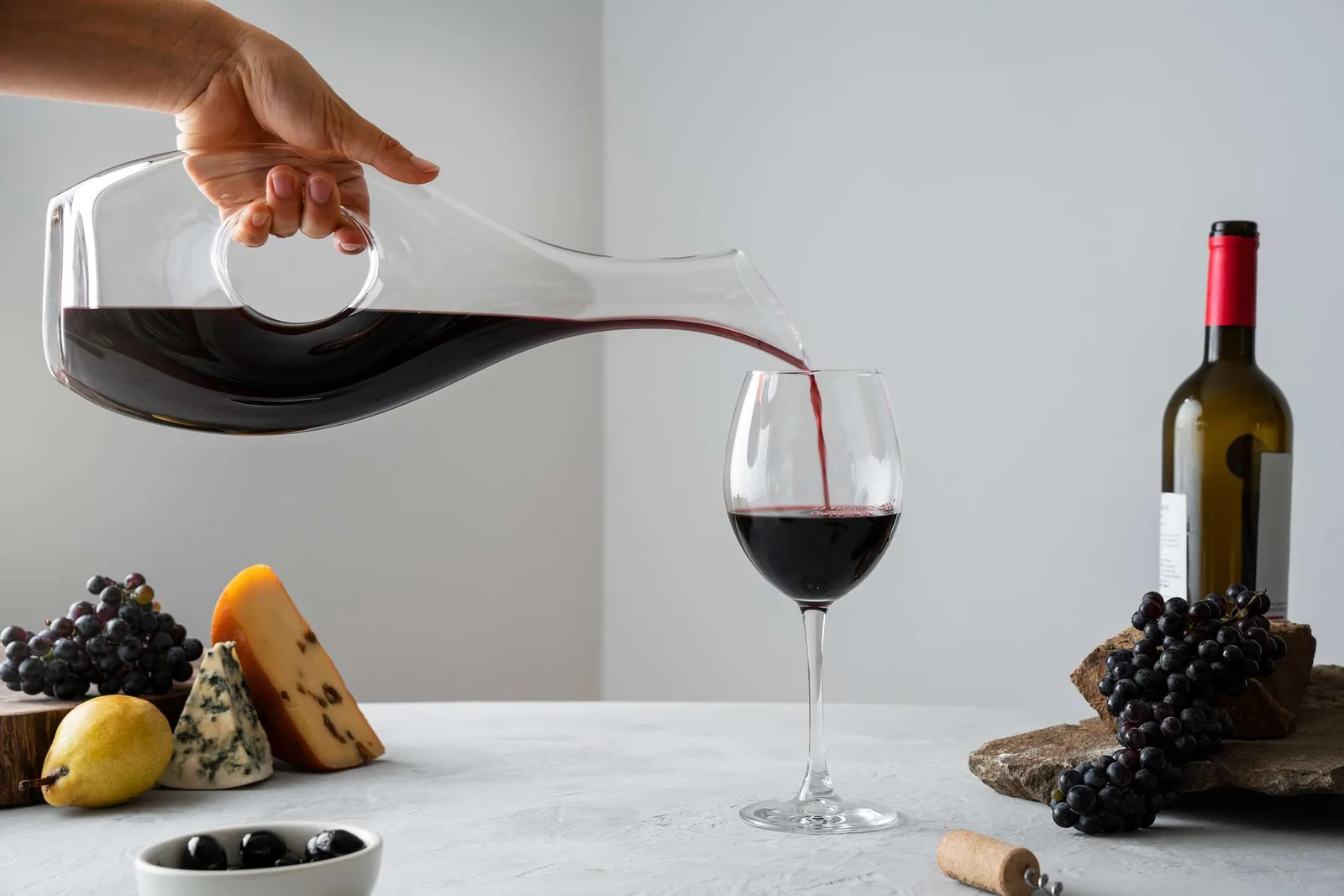
Serving matters too: pour Malbec into a wide-bowled glass to let it breathe, enhancing its depth and aroma every time.
How Malbec Stands Apart from Other Reds
Compared to softer reds like Pinot Noir or the smoother Merlot, Malbec delivers a bolder punch—with alcohol levels often hitting near 15% ABV and tannins that are present but not harsh. The result is a wine that feels full-bodied yet approachable.
It’s frequently blended in Bordeaux-style wines alongside Cabernet Sauvignon and Cabernet Franc, adding structure and richness. But even as a solo performer, Malbec holds its own.
Historically known by names such as Cot or Pressac, early records refer to it as Auxerrois back in the 1500s. It wasn’t until the late 1700s that the name ‘Malbec’ stuck—credited to a French vineyard worker named Monsieur Malbeck who helped popularize it in the region.
Why Malbec Found Its True Home in Argentina
Originally cultivated in Cahors and later embraced by Bordeaux producers, Malbec struggled to gain respect. In France, it was often overshadowed by more prestigious varieties and sold at lower price points, especially when released before premium blends.
The 1956 frost devastated much of the Malbec crop in Bordeaux, wiping out three-quarters of planted vines. While many growers abandoned the grape entirely, Cahors winemakers chose to replant—preserving its legacy even if it remained underappreciated abroad.
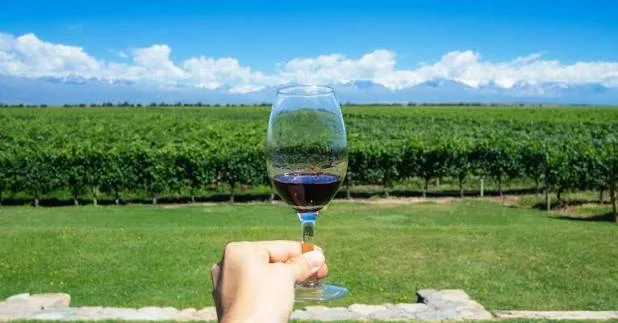
In 1853, French agronomist Michel Pouget brought cuttings of Malbec to Mendoza, Argentina, at the urging of President Domingo Faustino Sarmiento. His mission was clear: transplant European viticulture to South America. Today, April 17th is celebrated annually as World Malbec Day—a nod to that pivotal moment.
For decades after, Argentine Malbecs were simple, everyday wines. It took economic stability in the late 20th century to unlock higher investment in aging techniques and vineyard quality. Suddenly, complex, age-worthy expressions emerged—and caught the world’s attention.
Challenges That Shaped Malbec’s Journey
One reason Malbec never fully flourished in France lies in its finicky nature. It demands careful handling throughout the growing season.
The grape is prone to coulure (poor fruit set), fungal infections, rot, and damage from late spring frosts—all of which can wipe out entire harvests. These vulnerabilities made recovery difficult after major setbacks like the 1956 freeze.
Yet in Argentina’s dry, high-elevation environment—particularly in areas like Uco Valley and Luján de Cuyo—the climate proved ideal. Cooler nights preserve acidity while warm days ripen the fruit slowly, creating balance and intensity that define modern Malbec.
Frequently asked questions
What should I look for when buying my first bottle of Malbec?
Start small: pick a well-reviewed entry-level Malbec from Mendoza and note how it smells and tastes on its own. Compare it with another similar price point next week. Use those observations to decide whether you prefer juicier styles or ones with more earthy, spicy character before investing further.
What makes pairing Malbec with food tricky?
People sometimes pair it incorrectly by choosing dishes too light or mismatched in texture. Try bold proteins like grilled lamb or duck, or rich dishes like mushroom risotto. Avoid overly acidic sauces that clash with its natural sweetness and tannin structure.
Can I store Malbec long-term, and does it improve with age?
Yes—but only high-quality examples meant for aging will benefit over time. Most everyday Malbecs shine within two to five years. Keep bottles lying down in a cool, dark place around 55°F (13°C), and check labels for vintage-specific guidance when available.