
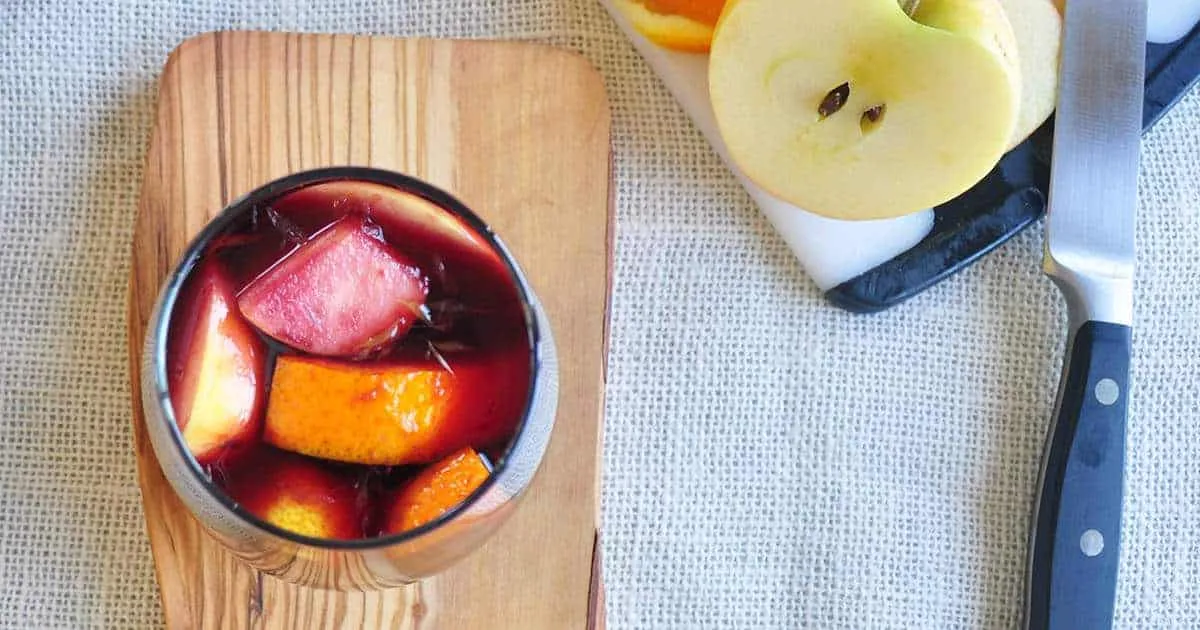
A pitcher of Sangria is a perfect drink for a nighttime soiree or a daytime get-together with friends. It's super-easy to make and lets you customize it with your favorite fruits and wines.
You'll find plenty of recipes online, but the best way to ensure yours is a surefire hit is by following some simple, proven steps.
Easy Sangria Recipes — Tips, Best Wines with Practical Steps That Work
A pitcher of Sangria is a perfect drink for a nighttime soiree or a day time get together with friends. It's super-easy to make and to customize with your favorite fruits and wines.
How to Make The Best Sangria | Julia At Home
From its humble—and ancient—roots in Spain, sangria has grown to become a party drink mainstay around the world.
- Channel: America's Test Kitchen
Why Sangria Stands Out in Your Entertaining Toolkit
Mastering Easy Sangria Recipes — Tips, Best Wines with Practical Steps That Work means understanding what makes it more than just wine mixed with fruit. It’s a balanced blend of flavor, aroma, and seasonal charm that works whether you're hosting a casual gathering or a summer patio party.
Whether you’re stocking up on gift hampers for the festive season or looking for the Perfect Red Wine or Ideal White Wine to ring in the new year, Sangria offers an approachable yet sophisticated option that impresses without complexity.
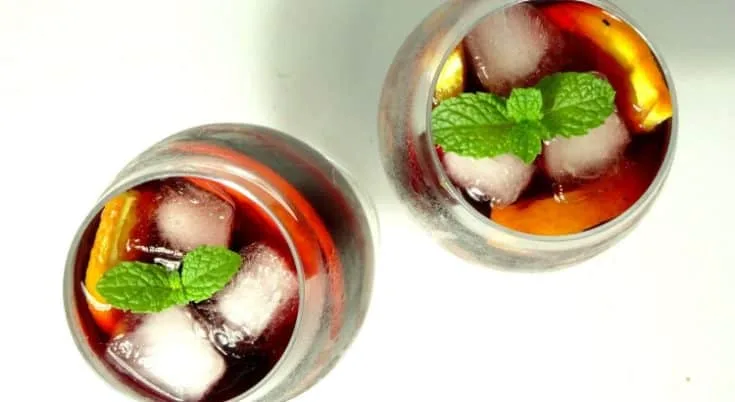
The Heart of Great Sangria: Tradition Meets Flexibility
Sangria (which translates to 'bloodletting' in Spanish) is a drink packed with rich flavors and aromas, traditionally made with red wine as its base. While the classic version relies on chopped fruit, a splash of spirit, and warming spices, the beauty of Sangria lies in its adaptability.
You can craft it with your choice of wine and fruits—or even experiment with white or rosé versions. Store-bought Sangria can be convenient, but nothing beats the freshness and personal touch of homemade.
From Ancient Origins to Global Favorite
Though deeply associated with Spain, Sangria’s exact origins are debated. Some trace it back over 2,000 years to Roman times, when wine was used to purify unsafe water with herbs and spices. Others point to 18th- and 19th-century traditions in England, Greece, and Spain where wine-based drinks were common at social gatherings.
Its modern breakthrough came at the 1964 New York World’s Fair, where Spain showcased Sangria at their pavilion. The crowd response sparked a global love affair that continues today—making it a staple at picnics, weddings, and holiday tables around the world.
Building Your Signature Sangria: What Matters Most
Over time, Sangria has evolved to suit different palates and seasons. Whether you prefer bold reds or crisp whites, there’s a version that fits. A traditional Spanish Sangria typically includes red wine, seasonal fruit, a touch of brandy, sweetener, soda, and a hint of spice.
Wine is the foundation—Spanish Rioja wines like Tempranillo or Garnacha offer ideal structure and fruitiness. But don’t feel limited; Merlot, Pinot Noir, or even a fruity Zinfandel work beautifully. The key is choosing a wine you enjoy drinking on its own.
Frequently asked questions
What’s the easiest way to start making great sangria?
Begin with one bottle of red wine, three cups of mixed fruit, two tablespoons of sugar or honey, a splash of brandy or orange liqueur, and a cinnamon stick. Stir well, chill for a few hours, then top with soda before serving. This basic formula works every time and leaves room to experiment.
What makes sangria taste flat or unbalanced?
Using a wine that’s too acidic or oak-heavy, skipping the sweetener, or adding fruit too late can dull the flavor. Over-chilling also mutes aromatics. Always taste and adjust before serving—add a bit more sweetness, citrus, or spice if needed.
How do I keep sangria tasting fresh over multiple days?
Sangria actually improves after 24–48 hours as flavors marry. Keep it refrigerated and avoid adding ice until serving. If using citrus, add it closer to serving to prevent bitterness. Consume within 3 days for peak quality.