
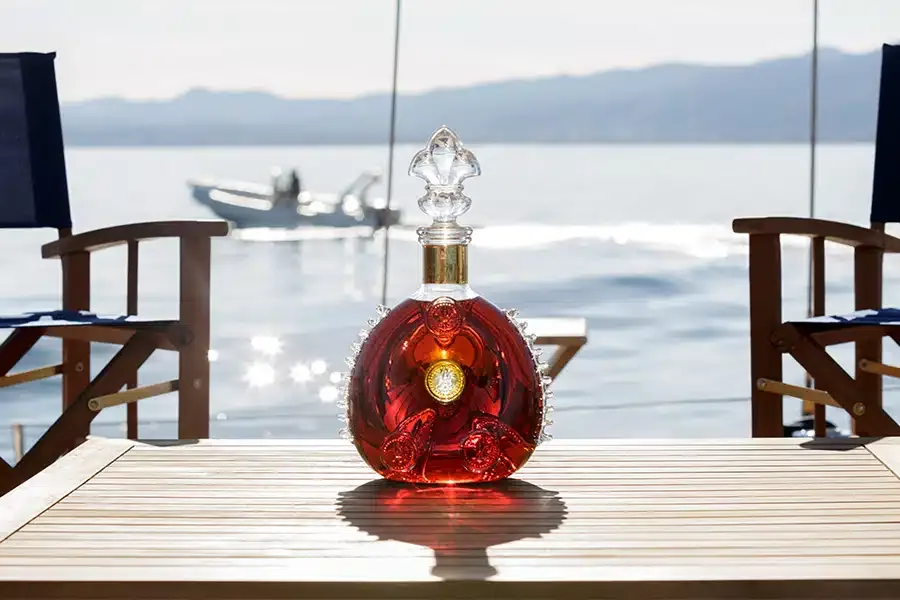
Cognac originates as a spirit produced exclusively in France's namesake region, crafted through double distillation of white grape must—most often Ugni Blanc—and matured inside French oak casks. Legal frameworks govern both geographic origin and age designations, ranging from the entry-level VS tier through VSOP and XO, alongside loosely regulated categories such as Extra and Hors d'Age that signal premium positioning without statutory definitions.
At the apex of this hierarchy sit masterpieces like Louis XIII, whose house style emerges from harmonizing water-of-life components spanning four to one entire century of barrel development. Such an approach demands generational commitment that no rival can simply accelerate or shortcut, embedding scarcity directly into the final product.
Cognac Investment Guide — Louis XIII, Hennessy Paradis and the Ultra-Premium Eaux-de-Vie Market in 2026
Cognac is a brandy distilled from white grapes (predominantly Ugni Blanc) grown in the Cognac region of southwestern France, then aged in French oak. Like Scotch, Cognac is regulated by terroir and ageing classifications — VS, VSOP, XO, and the unregulated but understood "Extra" and "Hors d'Age" tiers — with the finest expressions blending eaux-de-vie of vastly different ages to achieve a signature house style.
The Only 10 Cognac Brands Still Worth Buying in 2026
Most cognac drinkers are paying for the label, not what's inside the bottle. In this video, we reveal the only 10 cognac brands still ...
- Channel: The Final Pour
The first details to notice about investing in ultra-premium cognac
Every bottle of Louis XIII arrives encased in hand-blown Baccarat crystal workmanship designed by Richard Hennessy, and collectors actively pursue these vessels even after the liquid has been consumed. Pre-owned decanters routinely fetch figures measured in hundreds across auction houses, creating a secondary revenue channel that virtually no other spirit category can match.
Purchasing power concentrated across Asia continues pulling prices upward. Mainland China and the wider Asia-Pacific corridor account for the lion's share of ultra-premium cognac movement for brands including Rémy Martin and Hennessy, sustaining valuation gains even when other luxury sectors experience softness.
Securing authentic bottles at or close to list price represents the most efficient entry strategy. Hennessy Paradis and Martell's flagship cuvées tend to be readily obtainable through certified merchants, whereas Louis XIII and Richard Hennessy allocations run thinner and occasionally require waiting lists. Confirm provenance whenever possible and preserve factory-sealed boxes alongside all accompanying documentation—collectors weight intact presentation heavily during resale.
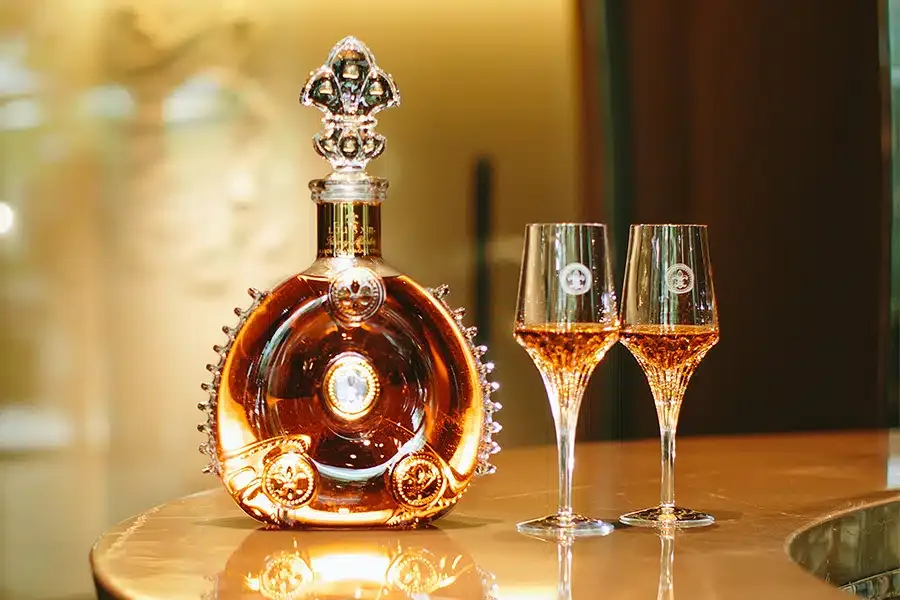
What shapes the practical experience of holding rare cognac as an investment
Major houses including Sotheby's, Christie's, and Bonhams run dedicated spirits sales where vintage Louis XIII releases, Richard Hennessy expressions, and historic Martell or Hennessy bottles from the early nineteen-hundreds surface regularly. Buyer premiums apply on these transactions, yet the trade-off includes access to retired editions, older crystal presentations, and authenticated lineage that rarely appears on retail shelves.
Trophy-tier bottlings have demonstrated steady secondary-market appreciation anchored by natural scarcity, affluent Asian buying, and a distinctive advantage over both whisky and wine: sealed cognac remains chemically stable after bottling, eliminating the bottle-age variability that complicates other categories. Gains concentrate within a narrow cluster of flagship names, and liquidity trails what you would encounter trading fine whisky or vintage port.
Unlike wine or malt whisky, cognac ceases maturing the moment it leaves the cask. The liquid inside a properly stored, unopened decanter will taste essentially unchanged decades hence, removing the temperature-control anxiety that accompanies many alternative-asset portfolios.
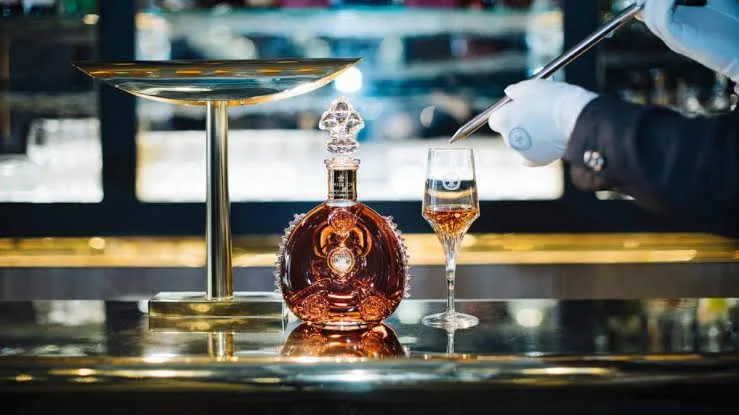
Where careful choices sharpen your investment outcome
Position bottles vertically, shield them from sunlight, and maintain a cool, steady ambient temperature. Retaining manufacturer packaging and any authenticity certificates preserves resale value considerably. After opening, an ultra-premium pour like Louis XIII stays within its drinking window for approximately two to three years before gradual oxidation noticeably softens aromatics and structure.
Rare cognac occupies a genuinely separate niche within the broader alternative-spirits landscape—one where patience operates on generational timeframes and where post-bottling stability simplifies long-haul ownership. people seeking wider exposure across collectible spirits might also examine how Vinovest structures its whisky and fine-wine platform.
This piece provides general educational material and should not be interpreted as financial guidance. Historical returns do not assure future performance, and every investment carries the possibility of capital erosion.
Frequently asked questions
How should a first-time buyer approach the ultra-premium cognac market?
Begin by identifying two or three authorized specialists carrying the brands you intend to target, then place a modest initial order—perhaps a single bottle of Hennessy Paradis or a Martell top-tier release—before expanding into rarer Louis XIII or Richard Hennessy allocations. This measured first purchase lets you verify seller reliability, confirm packaging完整性, and learn the secondary-market baseline without overcommitting capital.
What typically turns cognac collecting into a frustrating exercise?
Most headaches arise from purchasing outside verified channels, ignoring provenance documentation, or storing bottles in fluctuating temperatures near windows. Additional friction comes from expecting rapid liquidity; the ultra-premium cognac market moves deliberately, and sellers who need quick exits often accept steep discounts at auction.
How do investors maintain discipline when holding cognac long-term?
Establish a written thesis before acquiring each bottle—note the purchase price, expected holding period, and target resale channel. Review that thesis annually rather than reacting to short-term auction noise, and resist adding to positions simply because a particular release gains attention. Reassess only when your original investment rationale changes, not when headlines shift.