
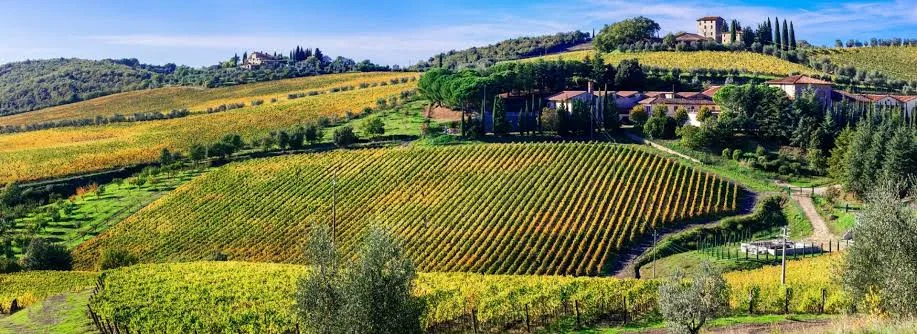
Brunello di Montalcino occupies a singular position in the world of fine wine investment. This DOCG-designated wine comes from a small area surrounding the Tuscan hill town of Montalcino, crafted entirely from Sangiovese Grosso—a distinct, larger-berried clone championed by Clemente Santi and his grandson Ferruccio Biondi Santi during the nineteenth century. The very first wine officially bearing the Brunello di Montalcino name was bottled by Ferruccio in 1888, and the style has served as a reference point for Italian wine ever since.
When evaluating Brunello as an investment vehicle, vintage quality stands out as the single most important consideration. Each January, the Consorzio del Brunello publishes an official five-star classification system, and vintages earning that top designation—such as 2010, 2016, and 2019—draw the strongest collector demand and demonstrate the most reliable value retention over time.
Brunello di Montalcino Investment — The 2026 Guide to Italy’s Greatest Sangiovese
Brunello di Montalcino is a DOCG wine produced exclusively around the town of Montalcino in Tuscany, made from 100% Sangiovese Grosso — the larger-berried clone that Clemente Santi and his grandson Ferruccio Biondi Santi identified and championed in the 19th century. The first wine officially labelled Brunello di Montalcino was made by Ferruccio in 1888, and the style has been a benchmark for Italian wine ever since.
Every ITALIAN Red Wine From TUSCANY Explained in 24 Minutes
Every Italian red wine from Tuscany explained, this is your complete guide to the most important Tuscan red wines, from Brunello ...
- Channel: Mario Explains Wines
Core attributes that make Brunello a compelling investment
Several structural factors converge to support Brunello's standing in the investment market. First, scarcity plays a decisive role: the appellation covers a remarkably compact geographic footprint, and Riserva releases are restricted to truly exceptional years alone. Certain celebrated estates have historically poured Riserva only a few times across an entire century, making those bottles extraordinarily rare.
Second, ageability gives Brunello an unusually long investment runway. These wines continue to evolve and improve over multiple decades, sustaining collector interest and secondary-market demand far longer than wines designed for early consumption.
Third, critic scores carry meaningful weight. Outstanding reviews from Wine Advocate, James Suckling, and Vinous directly influence pricing, especially during the initial release period when market momentum is strongest.
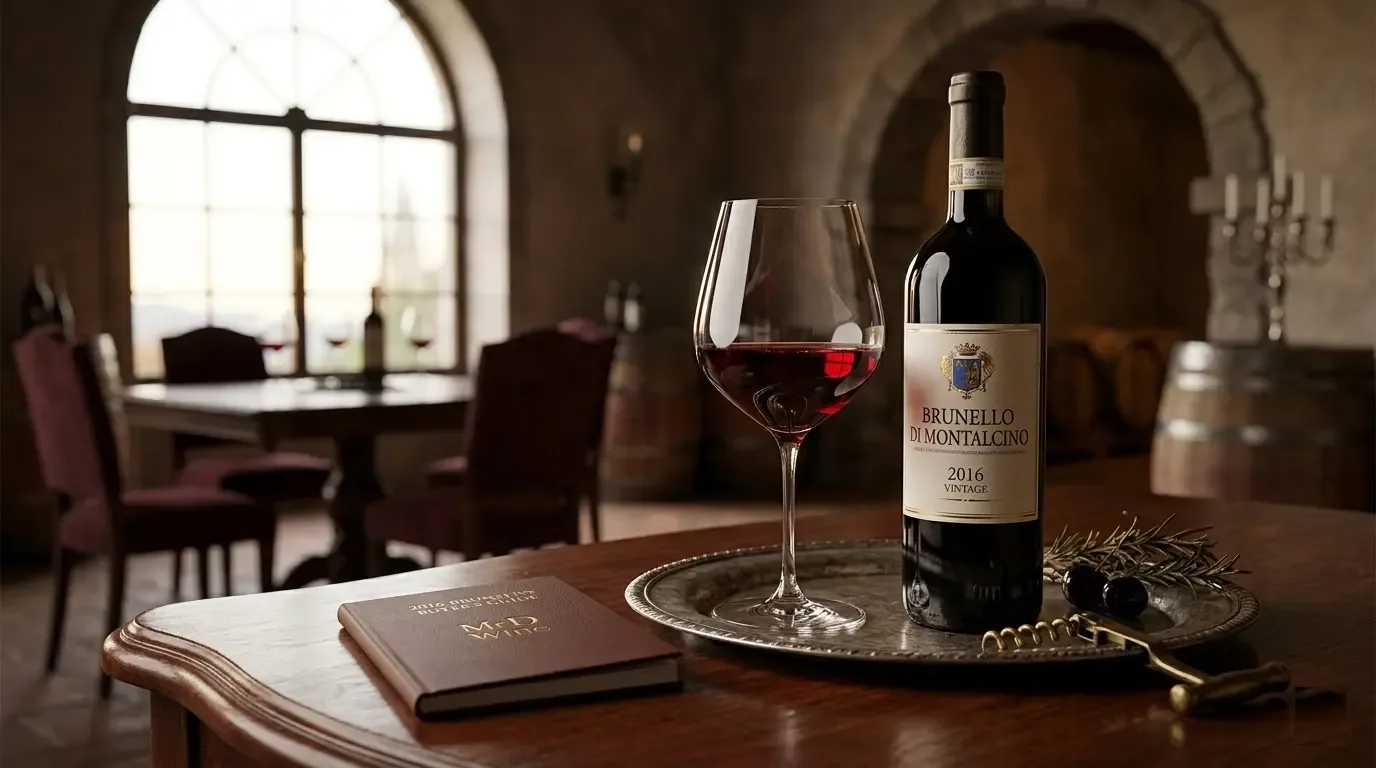
Producers beyond the icons and the timing of current releases
While Biondi-Santi and Soldera (Case Basse) command the highest prices and recognition, a respected cohort of producers generates substantial collector appetite at more accessible price levels. Names such as Poggio di Sotto, Il Marroneto, Salvioni, Casanova di Neri, Cerbaiona, Valdicava, and Il Poggione sit among the most sought-after alternatives, offering genuine appreciation potential without the premium attached to the appellation's absolute top tier.
The release calendar also warrants attention. January 2026 marks the official launch window for the 2021 Brunello di Montalcino—a vintage widely regarded as outstanding among recent Tuscan years. Early purchasing during release periods often represents the most practical entry point, since secondary-market prices tend to climb steadily as bottles age and supply diminishes. For broader context on Italian vintage quality, consult our dedicated guide to the finest Italian vintages.
Within Italy, Brunello shares investment consideration with two other heavyweight categories: the Super Tuscans, which deliver Bordeaux-inspired blends like Sassicaia and Tignanello, and the great Barolos of Piedmont, built from Nebbiolo. Super Tuscans lean toward international polish and immediate approachability, while Barolo emphasizes tannic structure and intensity. Brunello's distinct appeal lies in its singular focus—one grape, one territory, one centuries-old tradition of graceful maturation.
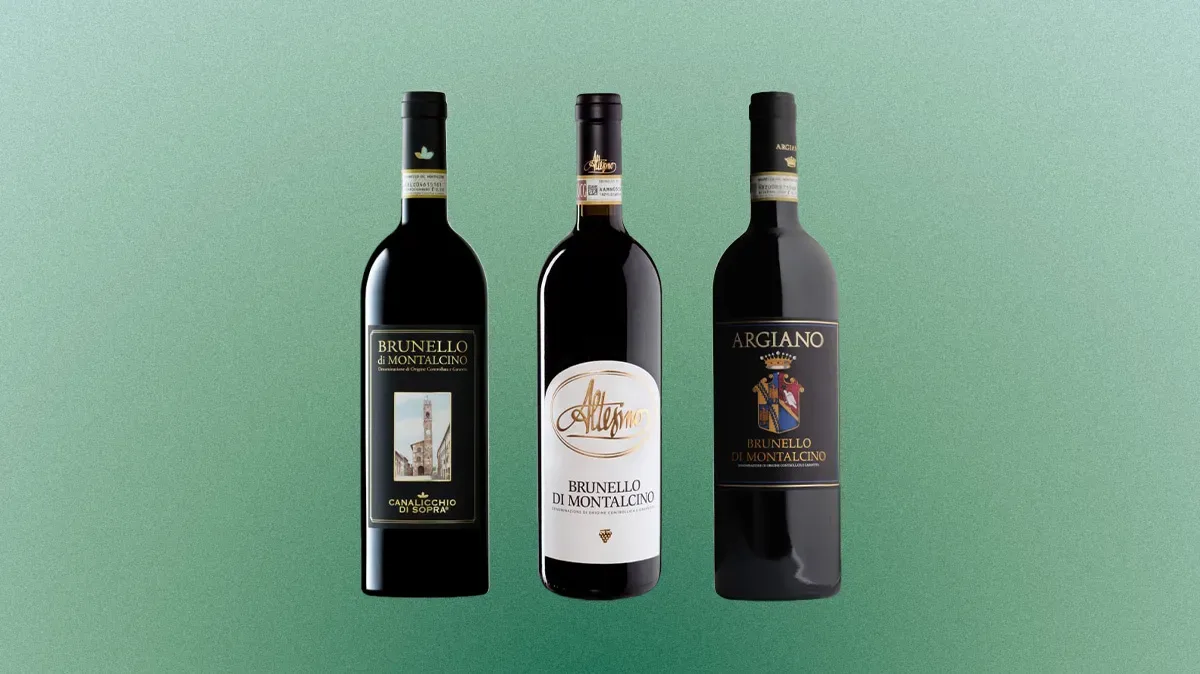
Key considerations for building a Brunello portfolio
The principles governing Brunello investment align closely with fine wine collecting broadly: prioritize leading producers in standout vintages, maintain impeccable provenance throughout ownership, and adopt a patient, long-term horizon. Storage conditions and authenticity documentation directly affect resale value, which is why professionally managed, temperature-controlled warehousing with complete provenance records remains essential.
Top-flight Brunello from benchmark producers in five-star vintages carries a well-established track record of price appreciation, underpinned by constrained production volumes and remarkable aging capacity. The category also presents a comparatively lower entry cost than equivalent Bordeaux or Burgundy investments, broadening its accessibility.
Biondi-Santi remains the founding estate and the appellation's definitive blue-chip name, while Soldera represents one of the rarest and most expensive references available. For investors seeking exposure with somewhat more manageable price points, Poggio di Sotto, Il Marroneto, Salvioni, and Casanova di Neri deliver strong collector credibility.
Legal requirements, vintage guidance, and responsible investing
By regulation, every Brunello di Montalcino must undergo a minimum five-year aging period before it may reach the market, and Riserva bottlings require at least six years. Beyond those statutory thresholds, exemplary Brunello can develop gracefully for thirty to forty years, reinforcing its appeal to collectors who think in decades rather than months.
The five-star vintage classification provides a reliable compass for investment focus. Years like 2010, 2013, 2016, and 2019 have earned benchmark status, and the highly rated 2021 vintage is entering release through early 2026. In less distinguished years, concentrating purchases on the most acclaimed producers becomes even more critical.
This guide is provided for educational purposes only and does not constitute financial or investment advice. Past price performance does not guarantee future results, and all wine investment carries inherent risk, including the possibility of capital loss.
Frequently asked questions
Which factor matters most when assessing Brunello di Montalcino as an investment?
Vintage quality. The Consorzio del Brunello publishes an official five-star rating each January, and five-star years such as 2010, 2016, and 2019 draw the strongest investment interest while delivering the most dependable value retention.
What evidence should investors review before committing to Brunello?
Critic scores. High ratings from Wine Advocate, James Suckling, and Vinous significantly influence market pricing, particularly during the release window when investor attention is most concentrated.