
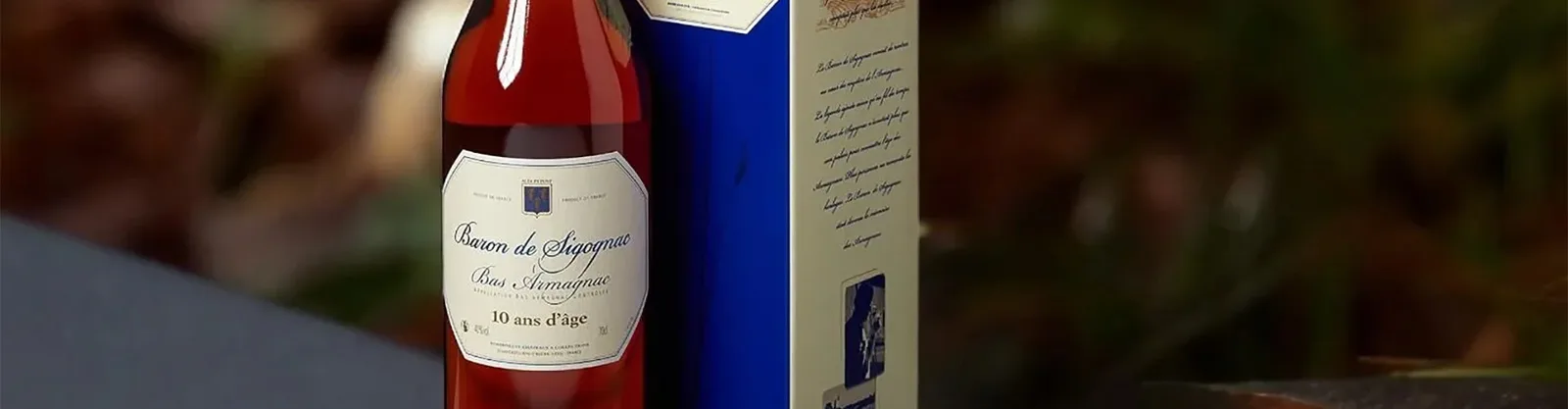
France's oldest brandy is quietly becoming one of the most compelling opportunities in spirits investing — and most collectors still haven't noticed. While the world's attention focuses on Cognac and Scotch, Armagnac offers something increasingly rare in both categories: genuine vintage authentication, remarkable age accessibility, and pricing that hasn't yet caught up to the quality on offer.
Unlike Cognac, which is almost always sold as a non-vintage blend marked by labels like VS, VSOP, or XO, Armagnac carries a long-standing tradition of bottling single-harvest-year expressions. A bottle can be traced back to a specific year — sometimes nearly a century ago — giving this category far more in common with vintage wine collecting than with typical spirits investing. And unlike wine, Armagnac stops evolving the moment it leaves the cask, meaning investors don't need to worry about storage conditions affecting development over time.
For people exploring spirits investment more broadly, our Brandy vs Whiskey guide and Whiskey Investment Guide 2026 provide useful context for understanding where Armagnac fits within the wider collectible spirits landscape.
Armagnac Investment Guide — France’s Oldest Brandy Is Also Its Most Overlooked
For further reading, check out our guide on Brandy vs Whiskey and our Whiskey Investment Guide 2026.
The Oldest Brandy In The World Is French  Armagnac #shorts
Armagnac is one of the oldest distilled spirits in the world. France, with documented history dating back to 1310, predating Cognac ...
- Channel: Whisk Eats
The first details to notice about Armagnac Investment Guide — France's Oldest Brandy Is Also Its Most Overlooked
Price accessibility for aged expressions is striking. A 1974 Château de Laubade moves for roughly $375, while a 1961 vintage from the same house sits around $1,100. By contrast, Cognac's ultra-premium tier — bottles like Louis XIII or Richard Hennessy — commands thousands for decades-old blends that carry no specific vintage at all.
The structural advantage here is clear: quality and history that rival Cognac's finest offerings, priced at a fraction of what the market demands for equivalent age and pedigree. That gap is the foundation of the investment case.
Perhaps most importantly, bottles from the 1940s, 1950s, and 1960s remain genuinely available through specialist retailers and auction houses. In a spirits world where comparable age typically commands Cognac or rare-whisky pricing, that accessibility is extraordinary.
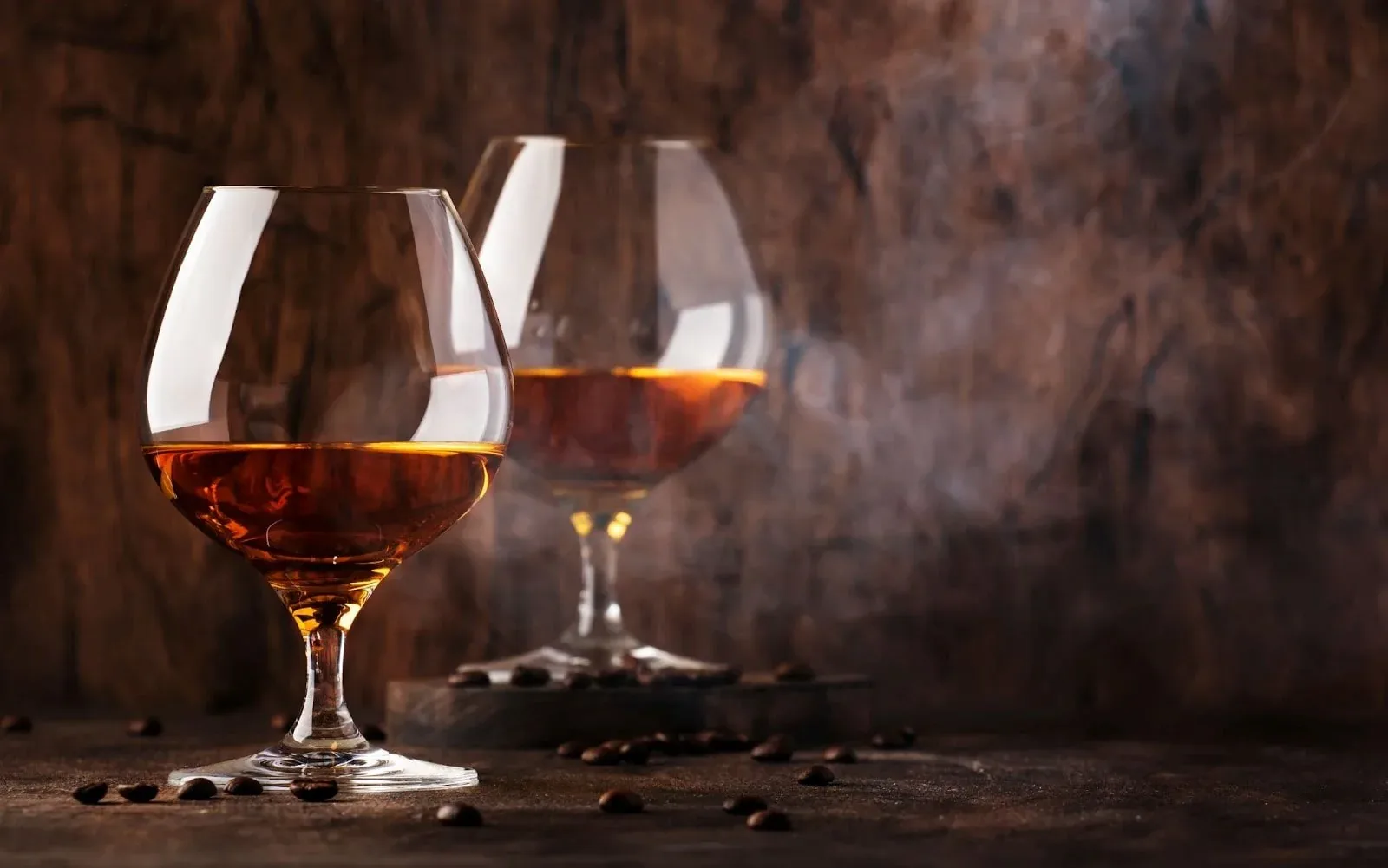
What changes the day-to-day experience of Armagnac Investment Guide — France's Oldest Brandy Is Also Its Most Overlooked
Production remains small and continues to contract. Armagnac's total output is a fraction of Cognac's, and the number of independent, family-run estates has been shrinking for decades. That same scarcity dynamic drives appreciation in whisky and fine wine — and it is beginning to apply here as well.
Sommelier and collector interest is slowly building. Bartenders, wine professionals, and spirits collectors seeking alternatives to increasingly expensive Cognac and Scotch have begun rediscovering Armagnac. That pattern of rising professional attention has historically preceded price appreciation in other overlooked categories.
Together, these forces create an environment where informed buyers can still find genuine value — but the window is narrowing as awareness spreads.
Where small choices matter most with Armagnac Investment Guide — France's Oldest Brandy Is Also Its Most Overlooked
The market shows wide, largely inefficient price variation. Bottles of broadly comparable pedigree range from approximately $33 to $2,950, suggesting a market where knowledgeable buyers can still identify genuine value — an inefficiency that has already closed in Cognac and most whisky categories.
Domaine de Jaurrey's Laberdolive holds some of the oldest verified vintage stock in the entire category. A 1942 bottling has traded near $3,000, among the highest prices recorded for Armagnac. Its 1976 and 1979 vintages, available in the $575–$650 range, offer a more accessible entry into genuinely old, single-domain Armagnac. For collectors specifically pursuing historic vintage dates, Laberdolive is a benchmark name.
Delord combines traditional Bas-Armagnac production methods with an unusually broad range of aged expressions, offering complexity and consistency across multiple age statements and vintages. It represents a solid, accessible entry point into serious Armagnac collecting without the premium attached to the very top vintage-dated names.
The practical patterns behind Armagnac Investment Guide — France's Oldest Brandy Is Also Its Most Overlooked
Some estates distinguish themselves through rare, traditional grape varieties largely abandoned elsewhere in the region. A producer known for working with these heritage varietals has built a dedicated following among collectors interested in Armagnac's more obscure ampelographic history — particularly its 1985 Cepages Nobles bottling, which stands as a genuine point of difference from the Ugni-Blanc-dominant mainstream.
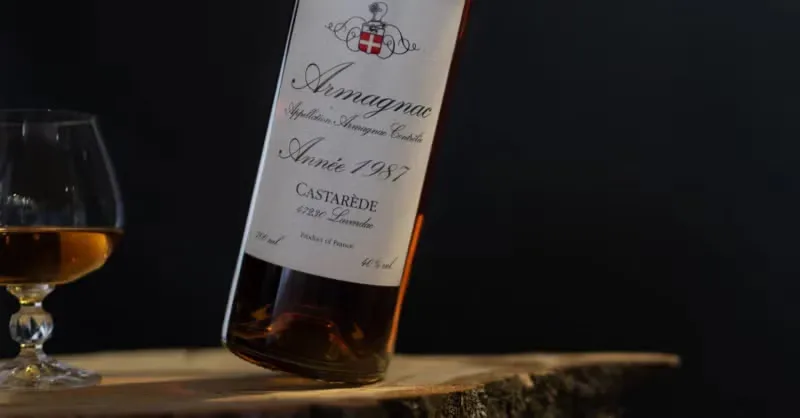
Other houses worth tracking include Château de Pellehaut, Château de Ravignan, Janneau, and Castarède. The latter holds verified bottlings dating back to 1893, among the oldest documented Armagnac still occasionally seen at auction.
The realistic conclusion is that Armagnac and Cognac are complementary rather than competing categories. Cognac offers liquidity and brand recognition; Armagnac offers genuine value and historical depth. An investor building broader exposure to French brandy might reasonably hold both — Cognac for its market depth, Armagnac for its asymmetric upside if the category's slow rediscovery continues.
Questions worth checking around Armagnac Investment Guide — France's Oldest Brandy Is Also Its Most Overlooked
Specialist spirits retailers stock a genuine range of vintage-dated Armagnac from the major houses, and several estates — including Château de Laubade — sell directly. This is the most straightforward route to acquiring specific vintage years, and prices are generally transparent and well below auction premiums.
Auction houses including Bonhams and specialist whisky and spirits auctions periodically feature rare Armagnac, including pre-war vintages and discontinued bottlings. Auction purchases carry buyer's premiums but provide access to the oldest and rarest vintages, along with the provenance verification that matters increasingly as prices for the category's best names rise.
Armagnac offers genuine historical depth and vintage-dated authenticity at prices well below comparable Cognac, making it an interesting speculative position for collectors who believe the category's slow rediscovery will continue. The market is small and illiquid, with no established index, so this suits patient, diversification-minded investors rather than those seeking quick or predictable returns.
Frequently asked questions
What makes Armagnac a compelling investment compared to Cognac?
Armagnac offers genuine vintage dating, extraordinary age accessibility, and dramatically lower prices for comparable quality and history. While Cognac provides liquidity and brand recognition, Armagnac presents asymmetric upside potential for patient investors willing to engage with a smaller, less efficient market.
How do I start building an Armagnac collection?
Begin with specialist spirits retailers or direct estate purchases for transparent pricing and provenance. Consider accessible entry points like Delord's aged expressions or Domaine de Jaurrey's 1976 and 1979 vintages before moving into rarer historic dates. Auction houses like Bonhams provide access to the oldest and rarest bottlings.
Is Armagnac a liquid investment?
No. The Armagnac market is small and illiquid with no established index. It suits patient, diversification-minded investors rather than those seeking quick or predictable returns. The value proposition lies in historical depth, vintage authenticity, and the potential for appreciation as the category's rediscovery continues.