
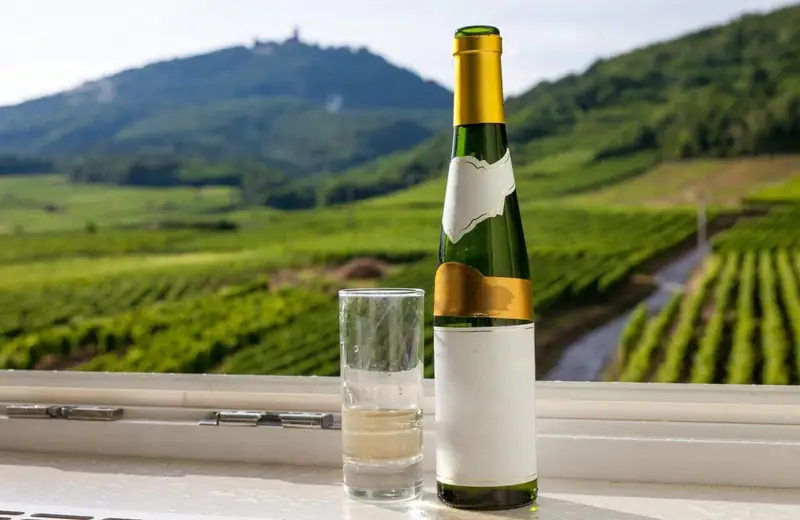
A tantalizing aroma wafts from a clay jug. An explorer tips it back for a sip, unwittingly tasting history. Wine – fermented nectar, social lubricant, muse of poets – has shadowed humanity for ages. But who first bottled its magic? Who Invented Wine?
That crucial first vintner remains anonymous, obscured by the fog of prehistory. Still, many claim the crown – gods, legendary innovators, whole civilizations. Like its flavors, wine’s tale blends invention with intrigue. By chasing that elusive first taste back through time, we also discover how winemaking innovators throughout history shaped viniculture worldwide.
Who Invented Wine? Unraveling the Ancient Origins of Viniculture
A tantalizing aroma wafts from a clay jug. An explorer tips it back for a sip, unwittingly tasting history. Wine – fermented nectar, social lubricant, muse of poets – has shadowed humanity for ages. But who first bottled its magic? Who Invented Wine?
What to Know
So fill your glass and grab a comfy seat as we unravel the epic story behind the world’s favorite fermented beverage. Our journey spans religions and myths, ancient sites and modern labs. There’ll be larger-than-life characters, eureka moments, and more than a few grapes along the way.
- Those Wild Summers in the Zagros Mountains
- Hot Spot: Areni Cave, Armenia
- Challengers for “First Wine” Crown
- Why Did Wine Flourish Here?
- The Role of Wine in Ancient Religion + Culture
- Wine Innovations Backed by Empire-Builders
- Key Grape Varieties That Emerged
- Advances in Winemaking Techniques + Equipment
- Applied Science – Greece Advanced Wine Medicine + Production
- Wine Fulfills Social + Political Aims
- Innovations in Viticulture + Winemaking
- Prominent Roman Wine Innovators + Pioneers
The Dawn of Wine – Who Invented Wine?
Our story begins in the Fertile Crescent, the boomerang-shaped territory flanking the Tigris and Euphrates rivers often dubbed “the cradle of civilization.” Spanning modern Turkey, Syria, Lebanon, Palestine, Iraq, Jordan and Iran, many pivotal human developments took root here over 12,000 years ago.
It seems wine joined their ranks…
Archaeologists reveal that wine’s ancestral vines, Vitis vinifera sylvestris , grew abundantly across Mesopotamia including the Zagros Mountains . These wild grapes possessed an incredible asset – natural yeast living on their skins that feasted on sugars inside, converting them into alcohol.
Early foragers likely sampled those tangy wild grapes. Perhaps some stored an especially bountiful harvest in vessels, only to find the contents transformed later – fruit turned fuzzy, liquid turned less viscous. Intrigued, they drank this mysterious elixir, savoring an ancient prototype of wine.
That’s one plausible narrative behind wine’s genesis. But several sites scattered across the Fertile Crescent harbor more concrete clues…
The first man who pressed a grape and saw its fresh blood flow and saw the sun in the drink; that man, I say, was the first true poet.
In 2007, archaeologists uncovered an enormous discovery – the world’s oldest winery – sealed inside Armenia’s Areni Cave for over 6,100 years. This Copper Age complex featured fermentation vats, juice pressing platforms, even desiccated grapes.
Further analysis uncovered organic acids from wine in clay jars, some decorated with grapes and vines. Plus the presence of specialized pruning knives strongly suggests a dedicated viticulture and winemaking operation.
This glimpse into wine’s Neolithic beginnings indicates the beverage’s importance even back then. But was Areni the absolute first organized wine producer? Strong cases exist elsewhere too…
Several sites compete with Areni Cave for birthing proto-winemaking:
Shulaveris Gora, Georgia – Traces of possible winemaking here get dated to 8000 – 5000 BCE – making this a candidate for the world’s first wine. Archaeologists discovered crude clay vessels stained with tartaric acid, a fingerprint compound in grapes. While intriguing evidence, there’s no concrete proof of deliberate largescale production yet.
Hajji Firuz Tepe, Iran – This archaeological site also reveals some of the earliest wine residue evidence from 5400 – 5000 BCE. Scientists uncovered jar fragments with juice deposits from grapes, rice beer, and resin-tree wine. But like Shulaveris Gora, the small scale sheds doubts on organized production.
The Middle East – Cradle of Wine Culture
Few regions embody all aspects of ancient wine culture like the Middle East. As viniculture flourished in the Fertile Crescent, wine integrated across all aspects of society — economically, socially, spiritually and medically. New dynasties and territories nurtured a sophisticated wine trade erecting the scaffolding for our modern wine world.
Early sovereigns invested heavily in alcohol production infrastructure realizing its stabilizing societal influence and hefty tax potential.
Egypt – Wall art and vessels from its Old Kingdom (c. 2613 – 2181 BCE) illustrate structured viticulture and winemaking. Massive wine factories arose. Grapes from Canaan, Phoenicia (modern-day Lebanon) and Nubia entered Egyptian markets.
Assyrian Empire – When Assyria conquered Canaan and parts of Anatolia (modern Turkey) around 700 BCE, they inherited vast vineyards which supplied wine for Assyrian elites and temple rituals.
Babylon – The Babylonians leveraged their prime location connecting prominent winemaking satellites. King Nebuchadnezzar II constructed vast royal wine cellars while enacting the first laws regulating wine sales and quality standards.
Persia – The later Persian administration built a vast road network spanning modern-day Iran, Armenia, Afghanistan and Central Asia. This enabled trade routes supplying prized wine across the empire. King Cyrus the Great famously ordered rescued sacred Jewish temple wines from Babylon repatriated back to Jerusalem.
Wine is the sunlight held captive in a fruit.
This imperial attention spawned flourishing commercial wine production and distribution systems crisscrossing the region. Grape varieties and winemaking approaches also disseminated more rapidly.
Several iconic grape varieties that still dominate modern wines originated in the ancient Middle East before spreading wider through trade, conquests and colonization.
Canaan (Phoenicia) – Today’s Lebanon and Israel territory boasted over 50 indigenous Vitis vinifera grapes during antiquity like Phoenician White. Their penchant for global sailing spurred exporting cherished wines abroad.
Anatolia – Modern-day Eastern Turkey contains over 600 native grapes, the richest diversity worldwide. Regions like Cappadocia and Southeast Anatolia cultivated vines supporting intricate wine trades. Whites like Narince and Emir still channel that history into modern Turkish bottles.
Zagros Mountains – We return to the birthplace of wild grapes flanking Iraq and Iran’s shared border. Noble red varieties like Merlot, Syrah and Pinots may have sprouted around the Zagros slopes alongside ancient whites like Chasselas, Muscat and Viognier.
The Greeks – Wine Under a Philosophical Lens
As disciplined Greek armies annexed the winemaking territories of coastal Canaan and Anatolia around 800 BCE, they discovered a beloved beverage to ease military life abroad. Familiarity soon bred admiration as wine assimilated into Greek philosophy – applied as medicine, immortalized into myth and governed by rational inquiry.
More than a mere drink, wine mirrored Greek civilization’s virtues and volatilities. Their pantheon of gods and poetry intertwined wine across society with layers of meaning and rituals:
The Dionysian Ideal – Dionysus ruled wine and ecstasy. His wild drunken sprees channeling primordial chaos stood opposite sophisticated Apollo embodying reason and order. This duality embodied Greek thinking – chasing rational knowledge but needing irrational release.
Agricultural Renewal – Wine arose from the death of Dionysus captured in rituals like stomping grapes symbolically reviving him each harvest. Wine’s seasonal cycles paralleled vegetation and fertility gods like Semele and Demeter.
Poetic Inspiration – Poets used wine’s transformational nature as creative muse. Drinking songs called skolia celebrate wine’s romantic powers arousing warriors. Greek plays routinely unfolded around communal wine feasts.
By poeticizing wine as a mirror for their society’s aspirations and fears, the Greeks steeped viniculture into cultural bedrock as a source of catharsis, creativity and truth revealed under intoxication.
Beyond the abstract, Greek philosophers tackled wine as intellectual exercise, codifying practical knowledge.
Wine and Medicine – Hippocrates studied wine’s pharmaceutical qualities and effects on the ‘humors’ – bodily energies. Disciples expanded this into Greece’s first structured health compounds. Wine developed into mainstream Athens medicine under Galen by 150 AD.
Safety Standards – Solons Law in 600 BCE mandated that wines must be safe for human consumption or sellers faced death! Regulation helped reduce hazardous adulterations – a common risk later in Rome.
Agronomy – Greeks made the first attempts at organized viticulture with vineyard planning for yield consistency. Climate considerations guided site selections for quality. Hesiod outlined best practices in Works and Days likePropagation techniques and oak barrel aging improved too.
Drink good wine with good friends, for life is short and the world is wide.
This scientific approach strengthened Greek wine commerce. Their colonies disseminated wines and practices across Magna Graecia (Sicily and South Italy). Macedonians under Phillip and Alexander later spread the wine buzz within their vast conquered territories. Transport amphorae containing distinctive olive oil, retsina (pine resin wine) and honeyed sweet wines traveled with armies and traders as far as Egypt, Persia and India!
The Romans – Engineering Wine for the Masses
Inheriting Greek viticulture knowledge, Rome radically engineered wine into mainstream staple for public and private life. By democratizing wine economically and geographically, Roman policy innovations laid foundations for modern wine’s global span.
More than self-indulgent hedonism, Rome’s leadership strategically promoted wine on several fronts:
Nutrition – After conquering wine-rich Sicily, Sardinia and Magna Graecia, Rome suffered rapid urbanization. Securing cheap wine and olive oil to feed city dwellers grew imperative.
Military Provisions – Regular wine rations maintained soldier morale and health. Imperative for far-flung campaigns, Roman war manuals detail exact allocations.
Colonization – New Roman settlements in Spain, France and Germany actively planted Mediterranean vines to supply domestic wine needs and limit imports from the homeland.
Tax Revenues – Rome accelerated wine commerce by adjusting merchant laws while taxing its sale. By 92 AD, Roman citizens even received monthly wine allotments of up to two liters daily!
Engineered to quench millions, Roman wine production boomed through key innovations:
Land Surveys – Agrimensores professionally surveyed lands ensuring site conditions matched desired wine styles. This strategic planning created targeted growing regions.
Labor Strategies – Latifundia estates with huge acreage arose worked by slaves and laborers. Veterans ran mid-sized plots. Contracts with small growers guaranteed supply for negociants to blend, market and export.
Amphorae Standardization – Rome exponentially amplified production of the amphorae first popularized by Phoenicians. Mass-produced sturdy clay vessels created economies of scale while protecting wine purity. By 100 AD, 20,000 amphorae left Italy daily!
Hygienic Measures – Romans emphasized cleanliness to prevent spoilage, using sulfur candles to sanitize containers and chambers. Grape varieties got selected favouring thicker skins and tannins providing natural protection.
These best practices fueled large-scale quality wine output answering needs across society. Wine permeated class divisions more equally than before. Yet who specifically orchestrated this vinous expansion?
How Wine Brought Down and Saved Rome
Rome’s epic rise held seeds of its own undoing – dependence on continued expansion brought overreach. As borders weakened and trade faltered, wine’s fortunes reflected the turning tides. Later, wine resuscitated culture amidst unstable kingdoms struggling in Rome’s absence. The drink’s wavering fate reveals insights on an empire’s trajectory..
A good wine is like a good play; the longer it lasts, the greater the pleasure.
With wine integrated into daily life by 150 AD, Rome hit its vinous peak, demonstrated by:
Peak Production – Rome’s wine output touched all-time-highs, heavily centered in Italy, Gaul (France/Rhone) and Hispania (Spain). Emphasis fell on quick-drinking, strong-flavored high-alcohol wines for cost efficiency.
The Opulent Banquets – Lavish imperial feasts hosted by notorious figures like Marc Antony and Julius Caesar routinely binged on rare imported wines. Cleopatra famously dissolved precious pearls into wine to toast Mark Antony.
Expert Culture – Wealthy connoisseurs had dedicated wine rooms for museum-like collections. A robust culture of wine writings, poetry, snobbery and even counterfeiting and speculation sprung up.
But this golden age soon tarnished…
By 300 AD, Roman wine’s fortunes began reversing:
Failed Expansions – Climate and soil challenges made colonizing models unviable in Britannia, limiting conquests while draining Rome’s coffers and morale.
Barbarian Invasions – Roman armies faltered allowing Visigoths and Vandals Germanic tribes to sack Rome itself by 410 AD. Wine estates faced destruction, uprooting centuries of localized knowledge.
Depreciated Currency – Battling runaway inflation, Rome severely debased silver coinage, causing trade deficit and ability to pay armies.
Crumbling Commercial Networks
Wine Resurfaces as Monastic Enterprises Then Noble Pursuits
As stability gradually returned to Europe by 1000 AD, the Church remained pivotal to wine’s small-scale rebirth, soon joined by aristocrats who added impetus.
Monasteries professionally organized wine production by bringing order to once-wild vineyards and spontaneous fermentations. Through generations, monk-growers sharpened understanding of site selections, grape choices and cellar methods producing Europe’s first structured wines post-Romans.
This set the stage for pioneers like Dom Perignon to later revolutionize champagne at the Hautvillers Abbey vineyard in France. And of course, monks also built the first great Rhone Valley vineyards in Burgundy and Bordeaux.
Royal Treatment in Courts
As ambitious nobles consolidated power across Europe by the 1300s, a race emerged importing and drinking fine wines to project status.
English Court Mania – This nascent island economy relied on Aquitaine and Gascony wines provisioning legendary drinker, King Henry II to the point that Bordeaux wine imports bankrolled French wars against England!
French Aristocratic Pursuits – Lords like Jean III de Grailly built majestic Médoc chateaux surrounded by gardens dedicated to grapes like Cabernet Franc extending lineage of ownership binding estates to wine reputations.
So wine’s value became intertwined with peerage pride. And ironically, by coveting capital, the rising merchant class tasting and trading wine would undermine aristocracy’s grip on society.
The Commercial Wine Revolution
With growing wealth and leverage, an ambitious business class pushed wine’s evolution from cloistered luxury. Key milestones:
Hanseatic Wine Shops Emerge – Handelshauses like Berkemeyer createdtemplates for modern wine stores across port citiesby the 1400s, catering to sailors and traders.
British Excise Tax – Established in 1643 under Puritan reformers discouraging public drunkenness, this unpopular ‘sin tax’ on alcohol actually funded navies defending British trade networks including wine imports from France.
The New World Beckons Ambitious Winemakers
By the 1500s, empirical curiosity lured explorers and traders seeking new commercial routes and commodities abroad. For European vines, this Age of Discovery unlocked virgin terrain and favorable climates in the Americas for transplanting Old World wine culture.
Wine Plants Colonial Roots
With limited viticulture knowledge, colonists carried treasured European vine cuttings like mission grapes in long sea voyages to hedge scarce provisions while attempting to recreate familiar home comforts.
Wine anchored early outposts by providing stable nutrition and hydration against unsafe drinking water. Catholic missions also needed sacramental wines. As colonies stabilized, exported wine also supplied much-needed hard currency.
Influential Wine Frontiers
Gradually through pioneering trial and error, immigrant winegrowers recognized emerging New World terroirs:
Mexico – By 1530 in Parras Valley, Spanish missionaries realized sherry grape clones thrived. Commercial production focused on brandy and sweet wines until the 19th century Mexican wine renaissance later.
Peru + Chile – In the 1550s, conquistador Francisco de Caravantes planted the first Viña del Mar vineyards with Spanish grape varieties in central Chile. By the 1800s, basins like Maipo and Colchagua lifted Chilean wines to global renown.
California – Spanish monks cultivated the mission grape varietal from Mexico providing sacramental wines until eastern immigrants arrived during the 1849 Gold Rush. perfecting orthodox wine styles suiting this new Mediterranean climate.
Australia + New Zealand – Anchored as British penal colonies, they glimpsed wine’s potential later. James Busby imported classic French grapes in 1832 to South Australia, while emigrants established colleges like Roseworthy teaching wider winemaking and viticulture fundamentals.
By sustaining the first tentative vinous toeholds, these intrepid pioneers unlocked the industry filling modern shops worldwide. Yet back in ancestral European vineyards, an ecological calamity threatened wine’s existence next…
Phylloxera – Wine’s Near-Death Experience
In 1863, mysterious attacks ravaged French vineyards as leaves yellowed and vines collapsed. By 1890, a plant louse called phylloxera had decimated over 2.5 million acres across Europe. With no treatment, wine’s very future darkened before science and global partnerships provided salvation.
Like wildfire, phylloxera proliferated across drought-stressed countryside:
Patient Zero – Ground zero stood near Roquemaure along the Rhône River where export-bound plants likely carried now-illegal American vine aphids. Their voracious root systems swiftly killed vines by inhibiting nutrient flows.
Apocalyptic Harvests – By 1875, Bordeaux production crashed 80% as ruined vineyards got uprooted and burning pyres of vines dotted regions in mass desperation. Wine prices shot up 300% before localized famine struck Southern France.
Continent-Wide Crisis – From vineyards in Hungary to Portuguese Port zones, phylloxera eventually swarmed across two-thirds of European vineyards. Wine reputations two millennia in the making neared overnight collapse.
Salvation Through Grafting
As all attempts to destroy phylloxera failed, botanists finally discovered particular American vine species endured these lice via natural resistance. Noah-like rescue missions shipped indigenous grapes like Taylor White and Clinton Fox back to Europe for grafting traditional wine grapes onto these sturdy rootstocks.
Bolstered by private-public partnerships, winemakers painfully replanted vineyards saving 70% of French acreage by 1914. The finely tuned appellation terroir system also arose from this rebirth figuring optimal sites and limits for grapes on new phylloxera-tolerant scion and rootstock pairings.
So through global collaboration, ingenuity and resolve, wine persevered its most existential abyss ever in memory. Yet the injury also yielded opportunity to elevate quality and expand globally.
How Wine Went Mainstream Globally
Despite its rout by phylloxera, scientific spirit helped wine bloom into today’s booming globalized drink crossing cultures and budgets:
Wine Science Comes of Age
Bordeaux professor Emile Peynaud became the father of modern winemaking by integrating chemistry, biology, and technology to revolutionize techniques beneficial for large-scale production with elevated consistency and hygiene:
The Judgment of Paris (1976)
This famous blind tasting pitting Californian newcomers against exalted French wines had the world take notice of New World potential. California Chardonnay and Napa Cabernet Sauvignon defeating Burgundy and Bordeaux dispelled assumed European supremacy.
Flexible Vines Expand Wine Geography
Once Europe recovered from phylloxera, their transplants and hybridized American-European vines unlocked new wine frontiers by tolerating diverse climates and soils with higher yields:
Modern Industries Commercialize Wine
Global alcoholic beverage sectors like beer and spirits helped pattern large-scale wine operations for mass-market brands:
Today nearly 50 countries produce at least 10,000+ tonnes of wine with the top 20 countries accounting for over 98% of all wine. The future surely holds further milestones…
- Argentina, Chile, Australia
- Gallo, Concha y Toro, Yellow Tail, E&J
- Hospitality Incorporations
New Horizons – What’s The Future of Wine?
As environmental and social movements transform markets, and technology unlocks unthinkable capabilities, where might wine pioneer next as it builds on 8,000+ years of human cultivation?
Doubling Down on Sustainability
With modern wine’s heavy water and land use impact under scrutiny, look for aggressive waste reduction, process efficiency, regenerative growing, reduced packaging and stronger relationships with nature overall:
Even orbiting olive groves exist on the International Space Station. As space tourism lifts off, can wine reach new astronomical heights? Science ponders wine’s prospects where no arborist has gone before…
As hyper-precision farming guides automatic irrigation, pruning, nutrition and harvesting, artificially intelligent modeling and sensor data may eventually outperform human decision-making, paving the way for wines refined through algorithms and customization:
The future holds intrigue whether it riffs on ancient methods or propels us light years ahead. The joy of discovery forever links eras. Just as those first mesmerized partakers unleashed fermented freedom millennia ago, may we still sense that primal wonder in every bottle we open.
Here’s to the ancient alchemists who handed forward the gift of this curious elixir that made it through fires, plagues, empires and explorers intact! Salute iconoclasts like Dom Perignon who showed winemaking demands faith. And cheers to future generations whose contributions we raise glasses to even now before they come to pass.
Wine always reflects our brilliance, frailties and dreams – at once masterpiece, ever a work-in-progress. Its heritage lies not in tediously tracing first innovators, but within that communal covenant between nature’s hidden miracles and human creativity striving to unlock secrets sealed into grape skins and seeds.
All eras in this never-ending vintage huddle together under heaven’s starry gaze holding precious finite bottles, each aspiring to unleash some revelation around this alchemy we call wine that holds the ages within.
- Solar, Wind, Geothermal Energy
- Recycled Packaging + Upcycling
- Drought/Disease Resistant Grape Varieties
- Grape viability in zero gravity
- Cosmic radiation and extraterrestrial terroir?
- Flavor + Style Prediction
- Personalized Wine Profiles
- Bespoke Virtual Sommeliers