
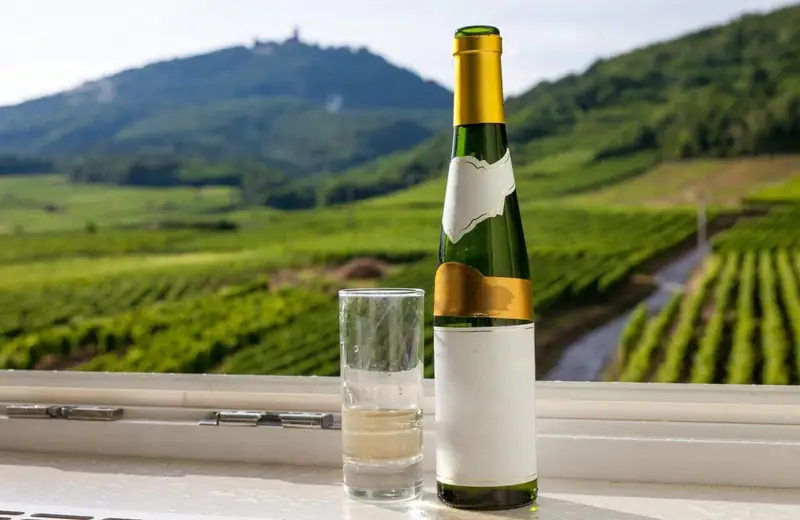
What’s up wine lovers? I’m gonna tell you all about the awesome wines from the Alsace region of France. This little corner near the German border has been making mind-blowing whites for like, forever!
I know so much about Alsatian wines because I’ve spent years studying them. I even went there a few years ago to taste the vinos straight from the vineyards. Let me tell you – these wines are insanely delicious! Top-notch stuff.
The Super Cool Story of Alsatian Wines
What’s up wine lovers? I’m gonna tell you all about the awesome wines from the Alsace region of France. This little corner near the German border has been making mind-blowing whites for like, forever!
What to Know
Throughout history, all kinds of different peoples from Romans to monks to French nobles have helped shape Alsace’s winemaking styles. It’s a crazy fascinating story of how this tiny region became world-famous for their unique, crazy good white wines .
So snuggle up and get ready to travel waaaaay back in time! I’ll walk you through the epically awesome history – trust me, by the end you’ll be dying to get your hands on some Alsatian Riesling or Gewürtz!
Okay, before we dive into the juicy history, let’s cover some basics about what makes Alsatian wines so freakin’ special:
Alright, got that intro out of the way? Cool, now let’s rewind over 2,000 years to the start of Alsace’s mind-blowing wine history!
- The OG Romans Get It Started Alsatian Wines
- Mapping the Best Terroirs
- Inventing Cool New Techniques
- Setting the Gold Standard
- Nobles Claim the Best Vineyards
- Becoming the Hottest Luxury Vino
- Overcoming Huge Savage Setbacks
- What’s the crown jewel of Alsace wines?
- What exactly is Alsace wine?
- Is Alsace wine worth a try?
- Are reds the stars of the show in Alsace?
- How much alcohol does a typical Alsace wine pack?
The OG Romans Get It Started Alsatian Wines
“In wine there is truth.” – Some smart Roman dude
Winemaking in Alsace goes all the way back to around 58 BC when the Romans conquered the area they called Germania Superior. I know, crazy right? These fierce Roman soldiers may have been mighty warriors, but they were also wise enough to recognize an A+ spot for growing grapes!
As soon as they took over Alsace, the Romans were like “Damn, this place has amazing vineyards just waiting to happen!” Why’s that? A few key reasons:
So those resourceful Romans got to work quickly. They started carving out terraced hills and planting the first Alsatian vineyards across the land. Archaeologists have dug up remnants of their super old-school winemaking:
As the centuries rolled on, Roman winemaking in Alsace only got more advanced. Lots of the most prestigious grand cru vineyards today have name origins tracing back to the Romans. Like the Schlossberg cru which means “vineyards of the castle” in German!
The Romans kicked off viticulture across western Europe, but Alsace was definitely one of their very first major winegrowing colonies. How’s that for vine-speckled history?!
- Tons of sunshine since the mountains blocked most of the rain
- All kinds of quality soils from limestone, sandstone, granite, even volcanic
- Sloped vineyards along the Rhine River valley for perfect air drainage
- Crumbling wine presses and basic cellar rooms in towns like Molsheim
- Broken clay amphorae they used for fermentation and aging
- Rustic little huts where the earliest Alsatian vignerons lived
The medieval Monks get their Vines On
Sadly, the mighty Roman Empire had to end sometime. By the 5th century AD, barbarian tribes like the Alemanni overran Alsace and finally forced out Roman rule.
This could’ve totally killed off the region’s young wine culture before it really blossomed. But thankfully, a new group of caretakers came along – Christian monasteries!
Between the 7th-16th centuries, religious orders like the Benedictines and Cistercians took over tending to Alsace’s vineyards and winemaking. With wise agricultural practices and devout passion, these monks nurtured the region into an awesome viticultural powerhouse:
The monks intensely studied all the different terroirs across valleys and hills
They took super detailed notes on microclimates, soils, elevations, etc.
This became the basis for Alsace’s modern grand cru vineyard classifications later
They came up with improved vine training methods like the Guyot pruning style
Monks practiced “massal selection” to replant only the best ancestral vines
New gentle pressing methods were invented to preserve fresh aromas and flavors
As one saying went, “whichever monastery grew the best wines was the most blessed.” So the monks were in a fierce battle for bragging rights! This endless quest for the finest quality wines majorly leveled-up Alsace’s winemaking game.
Through centuries of experimenting, the monks established strict standards for excellence
At first, only the highest aristocrats could afford these perfectly-made monastic wines
French Nobles Bring the Party
After monks ran the show for centuries, the luxurious 1600s marked a major shift. As the Reformation shut down monasteries across Europe, ownership of Alsace’s priceless vineyards fell into the hands of French aristocracy and nobles .
This opened up a kind of “golden era” where Alsatian wines reached insane levels of prestige and fame:
As monasteries closed, nobles raced to snatch up top grand cru vineyard sites for themselves
Famous crus like Schlossberg, Rangen and others landed with aristocratic owners
These fancy nobles wanted to continue the quality already established by monks
With warm European summers perfect for aromatic whites, Alsace wines were so on trend
For the first time, these golden vinos were exported across the continent
Tastemakers like Madame de Pompadour made Alsatian wines super fashionable among high society
Birthing Iconic Family Wineries This prosperous era is when many of Alsace’s renowned properties got their start:
So while monasteries provided the spiritual devotion to craft Alsace’s finest grapes and wines, the nobles added worldly entrepreneurship and marketing genius. Together they set the stage for global fame!
- Domaine Weinbach traces back to vineyards cultivated by Capuchin monks in the 1500s
- Domaine Zind-Humbrecht first planted the legendary Clos Saint Urbain Grand Cru in 1619
- The founders of Dopff au Moulin began growing grapes at an old mill site dating to 1574
Overcoming Huge Savage Setbacks
Winemaking in Alsace was smooth sailing for awhile under the aristocracy. But by the late 1800s, vignerons started facing a heinous series of setbacks that threatened to destroy everything:
Phylloxera Terror – This scary louse pest wiped out most vineyards during the 1890s
Franco-Prussian War Chaos – When the Germans took over Alsace from 1870-1918 it majorly disrupted wine biz
Fungal Disease Apocalypse – Downy mildew and other fungus diseases finished off surviving vines in the 1930s
It seemed like Alsatian wines were doomed! But the local vignerons refused to go down without an epic battle. Through tireless efforts and clever thinking, they overcame every single crisis:
So not only did Alsace wines survive – they evolved exciting new styles and varietals that have become regional specialties! The winemakers’ perseverance paid off big time.
After two World Wars finally ended, Alsace was determined to never let quality slip again. Local vignerons spearheaded the creation of France’s Appellation d’Origine Contrôlée (AOC) system to regulate standards:
These appellations dictate exactly which grapes, places, and winemaking methods can be used. This regulatory code has allowed Alsace’s wines to remain legit and achieve global prestige once again.
- Once phylloxera hit, they replanted on resistant American rootstock
- Gewürztraminer disguised by crossing Traminer with a mystery red grape
- Loophole grapes like Klevener de Heiligenstein that reminded Germans of noble Riesling
- The versatile Klevener grape became awesome for rosés too!
- Fungicides and modern sprays were developed to finally combat those gnarly diseases
- 🍷 1962: Alsace became the 3rd AOC region in France after Burgundy and Bordeaux
- 1975: 51 grand cru vineyards were officially designated for the best terroirs
- 1983: “Alsace Grand Cru” became the highest rank for dry whites
Today’s Delicious Ambassadors
Nowadays, the world’s top ambassadors of authentic Alsace wine heritage continue doing their thing. These iconic estates build on centuries of tradition while also innovating new techniques – all to showcase the region’s uniquely aromatic whites and luscious dessert vinos.
The Hugels have over 3 centuries of winemaking cred dating back to 1639
They pioneered late harvested wines like Vendange Tardive and Sélection de Grains Nobles
Their ranges from “Classic” to “Scour” strike the perfect balance of power and finesse
Instrumental in re-establishing quality standards after the wars decimated the region
Their famous Cuvée Frédéric Emile Riesling is the go-to icon for noble sweet Alsatian wine
Jean Trimbach from the 13th generation oversees their pristine dry Riesling, Pinot Gris, etc.
Founded originally by Capuchin monks in the 1600s utilizing centuries of monastic wisdom
Innovators of practices like hand-destemming and biodynamic viticulture under Faller family
Home to exceptional dry and sweet still wines from top terroirs like Schlossberg Grand Cru
Their world-renowneded Clos Saint Urbain plots have been producing “Grand Cru of Grand Crus” since 1619
Olivier Humbrecht revolutionized what’s possible with biodynamics for rich, terroir expressions
The Neverending Alsace Vino Epic
So there you have it – the epically awesome, intricate history that gave rise to Alsace’s sublime white wines we crave today. These bottles are like a rich tapestry interwoven with:
With every vivid sip of Riesling, exotic Gewürztraminer, or zesty Muscat from Alsace, you’re experiencing that centuries-spanning history! And thanks to today’s vignerons devotedly keeping those timeless traditions alive, this saga’s captivating story will only continue growing more legendarily awesome.
So raise a glass with me, fellow wine lovers – let’s toast the epic vignerons of Alsace! Their unbreakable, hard-won journey through the ages has blessed us all with one of France’s most unique and significant wine treasures. I’ll happily drink to that delicious legacy any day!
- Ancient terroirs and vineyards that Romans planted nearly 2,000 years ago
- Germanic ingenuity and resilience that created dazzling new grapes after every crisis
- French passion and entrepreneurship from nobles who promoted Alsace’s global fame
- Monastic spirituality and devotion toward nurturing nature’s finest bounty into the bottle