
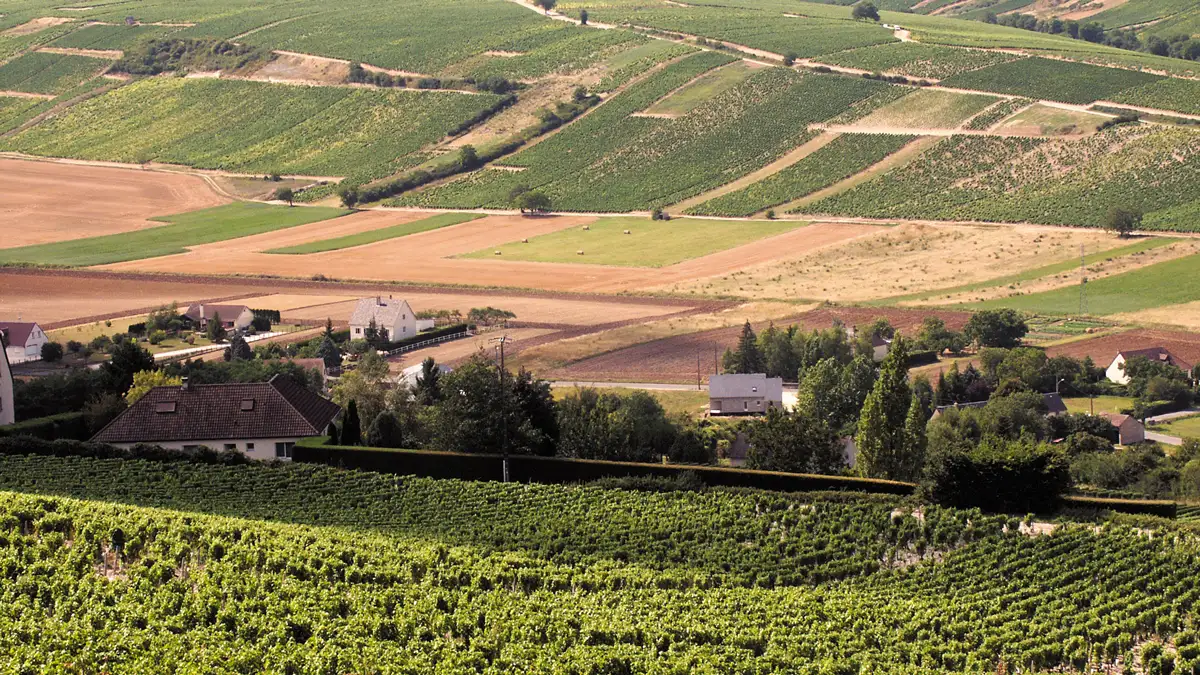
Beyond its scenic charm, the Loire Valley offers collectors one of the most compelling value propositions in fine wine. Consider this: a bottle of Domaine Huet’s Vouvray Le Haut-Lieu from 1921 realized over $1,000 at auction nearly a century after harvest—a testament to aging power that rivals many legendary vintages. Such longevity is not an anomaly but a hallmark of the region’s finest expressions, particularly from top Vouvray producers, where exceptional bottles can evolve gracefully for fifty years or more.
This extraordinary maturation curve rests on three globally significant grape varieties, each achieving what many consider its definitive expression within the Loire’s diverse terroirs. Chenin Blanc defines the great whites of Vouvray, Savennières, and Anjou, delivering a mineral intensity and acidic backbone built for decades in the cellar. Cabernet Franc powers the structured, fragrant reds of Saumur-Champigny, Chinon, and Bourgueil, producing wines of remarkable finesse and aging potential. Meanwhile, Sauvignon Blanc reaches a pure, tense apotheosis in Sancerre and Pouilly-Fumé, crafting white wines of steely precision that reward patient cellaring. Together, these varieties form a foundation for a focused investment thesis centered on scarcity, provenance, and demonstrated market respect.
Loire Valley Wine Investment — A 2026 Guide to France’s Most Undervalued Fine Wine Region
Extraordinary ageing potential. Top Vouvray from Domaine Huet can age 50 to 100+ years — longer than almost any other still wine. A 1921 Huet Vouvray Le Haut-Lieu still sold for more than $1,000 at auction nearly a century after the harvest.
Loire Valley Wines!
The is out of the bag! ✨ From sparkling Crémant de Loire to elegant Chenin Blanc and bold Cabernet Franc, the Loire Valley ...
- Channel: Wine Folly
The architecture of a value opportunity
The primary driver behind the region’s emerging profile is producer scarcity. Benchmark estates operate on a remarkably small scale. Clos Rougeard, the legendary Saumur-Champigny house, yields only a few thousand cases annually across its entire cuvée range. Similarly, the legendary Edmond Vatan’s Clos la Néore represents micro-production at its most exclusive. This inherent limitation on supply creates a natural floor for value retention and appreciation.
Financial markets have begun to acknowledge this reality. Documented secondary-market movements show substantial capital gains: the 1990 Clos Rougeard Saumur-Champigny Le Bourg saw its value climb by 58% over a two-year span, rising from $1,632 to $2,590. In the same period, the 2015 Didier Dagueneau Pouilly-Fumé Asteroide appreciated by 53%, moving from $1,032 to $1,585. These figures illustrate that recognized quality is translating into tangible price momentum.
Trade and critical consensus now firmly supports the region’s credentials. Major international auction houses—including Sotheby’s, Christie’s, and iDealwine—regularly feature Loire lots, with Clos Rougeard consistently securing top positions in regional sale rankings. This institutional endorsement signals a mature, liquid market for the most sought-after names.
Navigating the market and building a collection
The Loire’s celebrated age-worthy reds emerge primarily from Saumur-Champigny and Chinon, the twin pillars of the Anjou-Saumur and Touraine districts. Within this sphere, Clos Rougeard stands as the undisputed reference point for collectors seeking provenance and longevity.
Investment interest concentrates heavily around a core group of estates. The following five producers represent the essential starting point for any serious portfolio:
Clos Rougeard, the legendary producer of Saumur-Champigny Le Bourg and Clos Rougeard; Domaine Huet, the Vouvray authority with a track record of profound aging potential; Didier Dagueneau, the Pouilly-Fumé icon whose Asteroide cuvée commands fierce competition; Edmond Vatan, the micro-production master of Savennières and Sancerre; and Nicolas Joly, the biodynamic pioneer behind the cult-status Coulée de Serrant.
Honorable mentions include Philippe Foreau’s Clos Naudin, particularly its legendary Goutte d’Or, released only in three vintages (1947, 1990, 2011); Bernard Baudry and Charles Joguet for Chinon; Jacky Blot’s Domaine de la Taille aux Loups for Montlouis; and Domaine Vacheron for Sancerre. Each adds diversification and depth to a focused allocation strategy.
Strategic placement within a broader portfolio
Within a diversified French wine allocation, the Loire functions best as a complement to, rather than a replacement for, established heavyweights like Bordeaux and Burgundy. It provides crucial exposure to different grape varieties, distinct regional profiles, and a more accessible price point, thereby reducing concentration risk while capturing upside potential. For a comprehensive view of French wine investing, our detailed guide explores broader allocation strategies.
Acquisition typically follows one of three primary paths, each suited to different investor profiles and levels of involvement.
The first route involves direct sourcing through specialist merchants and auction platforms such as Sotheby’s, Christie’s, Bonhams, and iDealwine. This approach offers maximum control over provenance and storage conditions while minimizing ongoing fees. However, it places the entire responsibility for authentication, climate-controlled warehousing, insurance, and eventual resale squarely on the collector. Given the tiny output of top producers like Huet, Dagueneau, and Clos Rougeard, secure allocation is notoriously difficult to obtain through this channel alone.
The role of specialist intermediaries
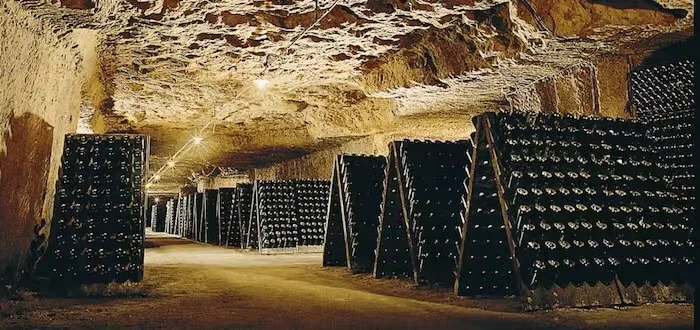
A second, often more practical option is purchasing through specialist fine wine merchants, particularly prominent UK-based houses. These intermediaries can secure allocation lines, manage bonded storage, and facilitate simpler resale logistics. Provenance remains intact, duties are deferred until delivery, and market liquidity is improved. While the Loire lacks the hyper-liquid trading volume of Bordeaux in-bond, the most celebrated producers trade actively and transparently.
This merchant model has a substantial track record of value delivery, having returned over $27. 5 million in capital to more than 200,000 clients, with over 1. 7 million bottles currently under professional custody. For precise fee structures and minimum commitment tiers, consult our dedicated pricing overview. For a full walkthrough of portfolio construction, costs, and expected return parameters, refer to our complete wine investing guide.
At the apex, producers like Domaine Huet, Didier Dagueneau, and Clos Rougeard unite three critical attributes for investors: extraordinary aging capacity, genuine scarcity, and valuations that remain significantly below comparable peer products from Bordeaux or Burgundy. Documented appreciation rates exceeding 50% over short windows suggest the market is progressively validating the region’s relative-value thesis. Actual returns will invariably depend on specific producer reputation, vintage condition, and documented provenance.
Frequently asked questions
What are the essential blue-chip producers to understand?
The foundational trio consists of Domaine Huet for Vouvray, Didier Dagueneau for Pouilly-Fumé, and Clos Rougeard for Saumur-Champigny. Cult alternatives include Edmond Vatan and François Cotat for Sancerre, while Nicolas Joly’s Coulée de Serrant and Philippe Foreau’s Clos Naudin merit close attention from advanced collectors.
How long can these wines actually age?
Top-tier Huet Vouvray regularly demonstrates potential for fifty to one hundred or more years of evolution. Clos Rougeard Saumur-Champigny and premier Sancerre from Vatan or Cotat typically require twenty to thirty years to fully develop. Dagueneau’s single-vineyard Pouilly-Fumé bottlings can age fifteen to twenty years from standout vintages.
Is this guidance considered financial advice?
- This article provides educational insights only and should not be construed as financial or investment advice. Past market performance does not guarantee future results. All alternative investments involve inherent risks, including the potential loss of initial capital.
Frequently asked questions
What should someone first understand about the Loire’s aging capacity?
That exceptional Chenin Blanc from top Vouvray producers can evolve for 50 to 100+ years, outlasting almost any other still wine category.
Which geographic indicators carry the most weight for red wine investment?
Saumur-Champigny and Chinon are recognized as the region’s premier age-worthy red zones, with Clos Rougeard establishing the definitive standard.
Where can investors reliably assess market demand and price trends?
Major auction houses like Sotheby’s, Christie’s, and iDealwine provide transparent data, with Clos Rougeard consistently leading regional sales rankings.