
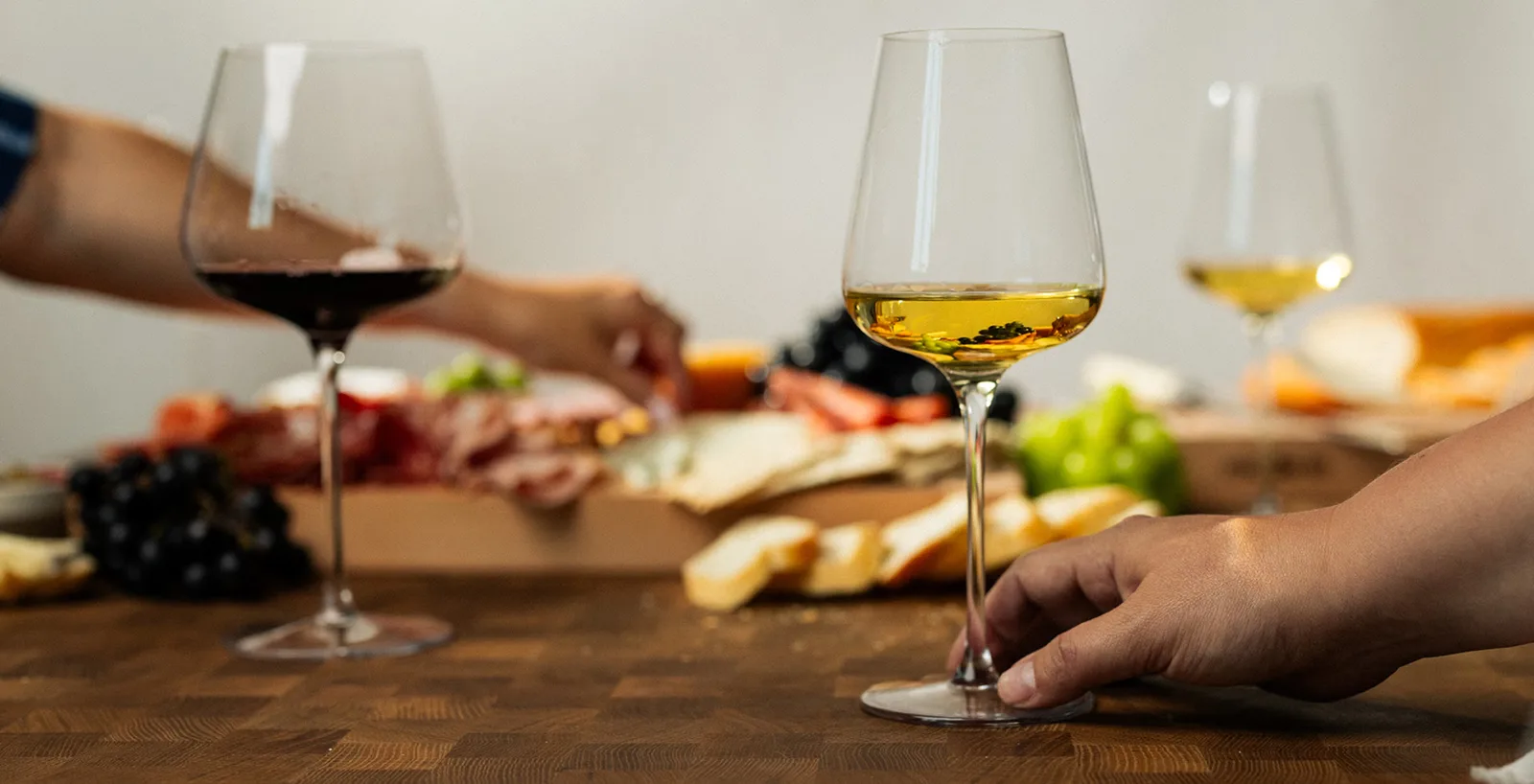
The vessel you choose for Chardonnay, Semillon, or any delicate white can transform a decent pour into something memorable. A proper glass directs the wine to the right part of your palate, preserves temperature longer, and releases the aromatic compounds that define the style. This guide examines the shapes, materials, and design choices that matter most so you can pick the right glass for each bottle without guesswork.
Below you will find practical buying tips, a clear comparison between white and red glass designs, and guidance for matching specific whites to the bowl that best showcases them.
5 Best White Wine Glasses — Buying Tips, White vs Red Glasses
Serving your precious Chardonnay or Semillon wine in the right glass could make the difference between discovering it's full potential and merely drinking it.
The Types of Wine Glasses (Actually, This Time)
Learn more about each type of wine glass below... Universal: Somewhat smaller than most wine glasses, it's a ...
- Channel: Wine Enthusiast
What to evaluate before buying white wine glasses
Glass selection matters more than most drinkers realize. The shape and rim thickness control how ethanol vapors gather and travel toward your nose, which is how the wine’s bouquet reaches you. A wider bowl encourages aeration and softens sharp edges, while a narrower rim concentrates those aromas and guides the liquid to a more precise spot on your tongue. That is why a glass designed for a crisp Riesling will behave differently from one built for an oaked Chardonnay.
If you prefer simplicity, a versatile all-purpose glass can cover several white styles without overwhelming your cabinet. Specialists, however, will notice a clearer distinction in sweetness, acidity, and texture when the bowl matches the wine’s weight and structure. The goal is to let the winemaker’s intent come through rather than flattening it with a generic shape.
- Look for a thin, smooth rim that lets the wine flow cleanly without distracting friction.
- Choose crystal or high-quality glass that is lead-free if you prefer everyday durability.
- Consider a compact stem to maintain temperature while keeping your hand away from the bowl.
How white wine glasses differ from red wine glasses
The most obvious contrast is bowl size. White wine glasses typically feature a smaller, more upright bowl than red wine glasses. That smaller volume limits excessive warming, preserves cooler serving temperatures, and keeps the brighter acidity of whites intact. Red wine glasses, by comparison, often have a broader bowl to encourage oxidation and soften tannins.
Shape also changes where the wine lands. A narrower white wine glass tends to direct the pour toward the tip and sides of the tongue, which highlights freshness and fruit purity. A wider red glass spreads the wine more broadly across the palate, emphasizing body and rounded flavors. When you rotate between the two styles, the difference in aroma concentration and temperature control becomes immediately apparent.
- White wine glasses prioritize temperature retention and aromatic concentration.
- Red wine glasses prioritize aeration and a softer, more expansive mouthfeel.
- The same wine can taste noticeably different when moved between these two designs.
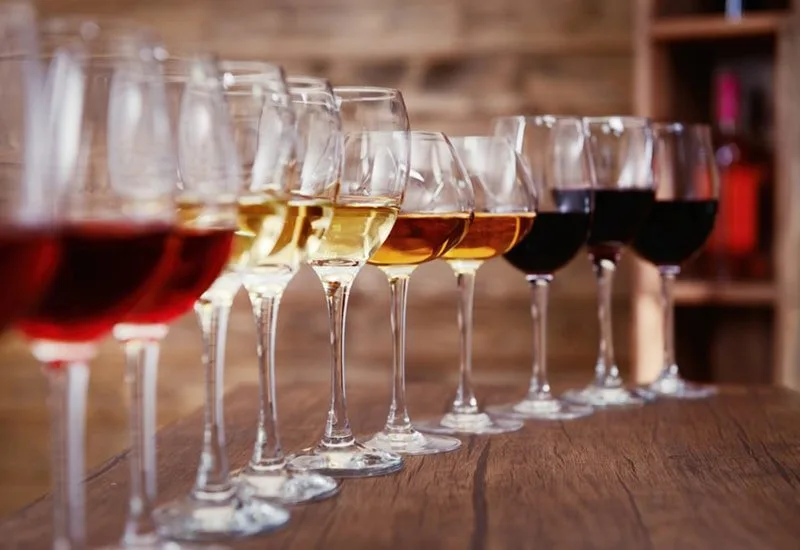
Matching glass shape to white wine style
Full-bodied whites deserve a glass that can support their weight without sacrificing aroma. An oaked Chardonnay or a rich Viognier benefits from a slightly larger bowl, a shape originally popularized by the Montrachet design. That wider silhouette allows gentle aeration while still guiding the wine toward the mid-palate, where creamy texture and ripe fruit flavors live. A smaller bowl would mute those characteristics and make the wine feel tighter than intended.
Lighter whites, such as Pinot Grigio, Chenin Blanc, and young Semillon, usually perform best in a more upright, U-shaped glass with a narrower opening. That shape concentrates delicate floral and citrus notes and keeps the wine cooler for longer. The tighter rim also directs the pour toward the tip of the tongue, which emphasizes acidity and freshness instead of heaviness.
- Oaked Chardonnay and Viognier: larger white wine bowl for texture and aroma concentration.
- Pinot Grigio and Pinot Blanc: upright, narrower glass to highlight crisp fruit and acidity.
- Riesling and Chenin Blanc: medium bowl that balances sweetness, acidity, and aromatic lift.
Why bowl width and rim size affect taste
A wide bowl gives the wine room to breathe, which can soften sharp edges and release volatile aromatics. At the same time, the rim size controls how those aromas arrive at your nose. A moderately wide opening keeps the bouquet concentrated while still allowing enough airflow to prevent the wine from tasting flat. That balance is especially useful for aromatic whites that rely on perfume rather than power.
When the opening is slightly broader, the wine spreads across more of the tongue. That path emphasizes sweetness and roundness, which suits off-dry Riesling or buttery Chardonnay. A tighter opening funnels the wine toward the tip, sharpening the perception of acidity and minerality. Understanding that flow helps you choose a glass that matches the style you want to express.
- Wider bowls improve aeration without losing aroma focus when the rim remains controlled.
- Broader openings emphasize sweetness and texture on the palate.
- Narrower openings guide wine to the tip, boosting perceived acidity and freshness.
Where small design choices have the biggest impact
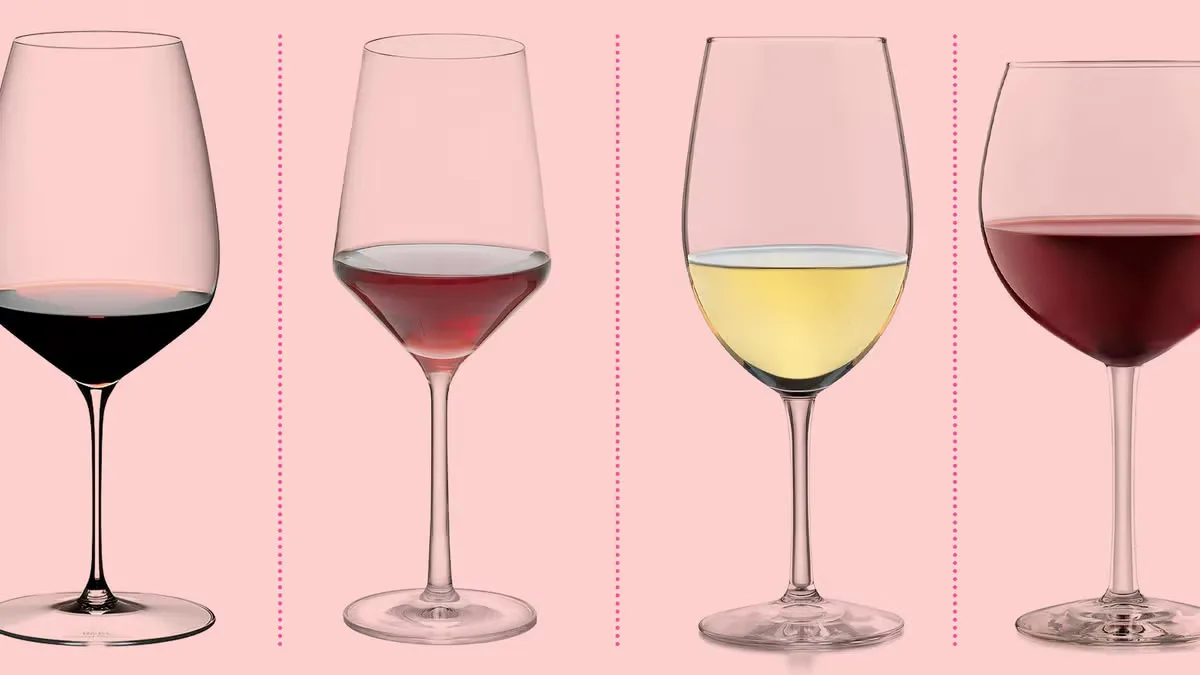
The difference between a good pour and a great one often comes down to details most people overlook. Rim thickness, bowl curvature, and stem length all influence temperature, aroma delivery, and balance. A thin rim reduces resistance, letting the wine glide smoothly. A curved bowl can concentrate or disperse aromas depending on its angle, while a longer stem keeps hand heat away from the wine.
These elements matter most when you are serving delicate whites that rely on precision rather than power. A glass that is too large will warm the wine quickly and mute subtle notes. A glass that is too small can trap aromas and make the wine feel confined. The right combination preserves temperature, highlights the intended flavor profile, and keeps each sip consistent from start to finish.
- Thin rims improve mouthfeel and reduce distraction during tasting.
- Bowl curvature directs aromas either toward your nose or across your palate.
- Stem length helps maintain cooler temperatures for whites that benefit from chill.
Questions worth checking around white wine glass selection
Sparkling wine and Champagne glasses have a much narrower opening than a regular wine glass and are upright. This wine glass shape of the Champagne glass (also known as a Champagne Flute) helps keep the fizz longer and allows the bubbles to play on your tongue.
The smaller opening of a sparkling wine glass will allow you to enjoy the taste and aromas of the sparkling wine from the very first sip. The opening will also guide the sparkling wine to the tip of your tongue.
The shape of the sparkling wine glass also guides the aromas to the top of the glass. The broader base of the Champagne glass helps your glass balance and not tip over.
Frequently asked questions
What is the easiest way to start choosing white wine glasses?
Begin by matching glass shape to wine style rather than buying a single universal set. Pick one upright, narrower glass for lighter whites like Pinot Grigio and one slightly wider bowl for richer whites like oaked Chardonnay. Test both with the same bottle to notice how aroma concentration and temperature change, then expand your collection based on the styles you drink most.
What usually makes picking white wine glasses harder than it needs to be?
Most people complicate the process by assuming one glass works for everything or by focusing only on appearance. That approach ignores how bowl size, rim width, and stem length affect temperature, acidity perception, and aroma delivery. It also leads to buying sets that look uniform but perform inconsistently across different white wines.
How do you keep white wine glass selection practical over time?
Build a small, purpose-driven collection and evaluate each glass by taste, not marketing. Serve the same wine in two different shapes, note which one preserves chill and highlights the intended flavor profile, and keep what works. Rotate out glasses that feel redundant or that consistently mute aroma, then replace them with shapes that solve the specific problem you noticed.